2026 Best Manufacturing Sustainability Trends for Global Buyers
Global buyers are entering a more demanding era of manufacturing sustainability. Price and delivery still matter, but they no longer tell the whole sourcing story. Procurement teams now examine energy use, material origins, emissions data, worker conditions, and supplier resilience before approving a factory.
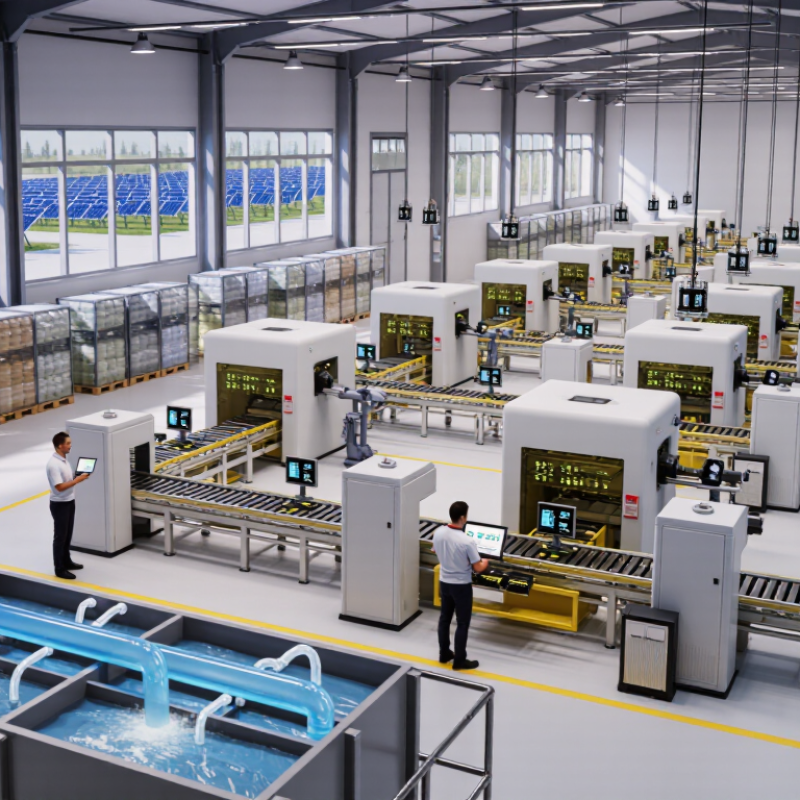
The strongest manufacturers are making sustainability visible on the production floor. Smart meters track electricity by machine. Digital systems record recycled content and material batches. Solar panels reduce daytime grid demand. Water recycling units make wastewater easier to measure and manage. These details help buyers compare suppliers with greater confidence. They also reveal where improvement remains necessary.
This article explores the 2026 trends shaping sustainable manufacturing for international buyers. It considers low-carbon production, circular materials, supply chain traceability, cleaner logistics, responsible automation, and more reliable environmental reporting. The discussion reflects practical sourcing concerns, not only ambitious corporate promises. Buyers should ask for third-party evidence, recent utility records, and clear improvement targets.
Perfect factories do not exist.
Some sustainability claims remain difficult to verify. Carbon figures may use different boundaries, while recycled-material percentages can depend on unclear definitions. A supplier may install renewable energy but still rely heavily on carbon-intensive materials. These gaps deserve honest attention. Progress should be measured carefully, with both achievements and weaknesses documented.
For global buyers, the key question is becoming more specific: can a manufacturer prove meaningful improvement at factory level? The answer will influence supplier selection, long-term costs, regulatory readiness, and brand trust throughout 2026.
Definition and Scope of Manufacturing Sustainability in 2026
In 2026, manufacturing sustainability means producing goods while reducing environmental harm and protecting people across the value chain. For global buyers, the definition extends beyond a factory’s electricity bill. It includes raw materials, process energy, water, packaging, transport, product use, and end-of-life treatment. The boundaries matter. A low-carbon plant can still rely on unsafe labor, excessive virgin material, or poorly managed waste. Manufacturers therefore need a life-cycle view, supported by documented evidence rather than attractive claims.
The scope is practical and measurable. Teams may review monthly power-meter readings, renewable-energy certificates, boiler fuel, water samples, scrap weights, and wastewater records. They should also examine injury prevention, working hours, training, grievance access, and supplier traceability. A buyer can request production-site addresses, audit dates, emissions methods, and corrective-action records. This evidence helps separate controlled improvements from vague promises. It also reveals trade-offs. Replacing plastic with heavier metal may reduce packaging waste but increase transport emissions. The best decision depends on verified, product-specific data.
Yet the 2026 landscape remains imperfect. Small suppliers may estimate emissions because meters are shared or maintenance records are incomplete. Those estimates should be labeled clearly, tested against invoices, and improved over time. Pretending that every number is precise weakens trust. Buyers should accept reasonable uncertainty, but not unexplained gaps. A credible sustainability program links targets to responsible managers, dated evidence, worker feedback, and repeat measurement. Progress becomes visible on the factory floor: cooler process rooms, fewer rejected parts, safer chemical storage, and fuller repair logs. Some improvements will be uneven. That is still useful information.
2026 Best Manufacturing Sustainability Trends for Global Buyers
Definition and scope: energy efficiency, industrial decarbonization, low-carbon materials, circularity, and measurable Scope 1–3 emissions management.
The chart presents global baseline indicators relevant to sustainable manufacturing. Industry uses approximately 37% of global final energy and produces about one-quarter of global energy-related and process CO₂ emissions. Steel and cement each contribute roughly 8% of global CO₂ emissions, while only 7.2% of the global economy is considered circular. These indicators support 2026 buyer priorities: renewable and efficient production, electrification, lower-carbon materials, recycled inputs, traceable supply chains, and credible emissions reporting.
Sources: International Energy Agency, “Energy System”; International Energy Agency, “Iron and Steel Technology Roadmap”; International Energy Agency, “Cement”; Circle Economy, “Circularity Gap Report 2023.” Figures are rounded global estimates and are not directly comparable as performance targets.
Key Sustainability Trends Shaping Global Manufacturing
2026 Best Manufacturing Sustainability Trends for Global Buyers
Key Sustainability Trends Shaping Global Manufacturing
Global manufacturing is moving from broad sustainability promises toward measurable operating evidence. In 2026, buyers will examine energy records, emissions data, water use, and supplier working conditions more closely. At a factory, this may mean checking electricity meters, production logs, and waste containers during a site visit. That sounds simple. However, inconsistent reporting still makes comparisons difficult across regions and production tiers.
Energy strategy is becoming more local and practical.
Factories are combining renewable electricity, efficient motors, heat recovery systems, and smarter production schedules. Small changes matter. A well-maintained compressed-air system can reduce hidden energy losses. Yet renewable power is not equally available everywhere, and clean-energy claims may depend on weak certificates. Buyers should verify the source, time period, and calculation method before accepting reported reductions.
Circular production is also shaping purchasing decisions.
Manufacturers are testing recycled inputs, repairable components, reusable packaging, and designs that simplify material separation. Traceability tools can connect raw materials with processing records, but digital systems are not automatically accurate. Audits alone are insufficient. Worker interviews, training records, accident reports, and corrective-action follow-up provide stronger evidence of responsible operations. Global buyers need practical targets, transparent data, and the willingness to question impressive results. Perfect sustainability data does not exist. Credible improvement still requires regular checking.
Technologies Enabling Cleaner and More Efficient Production
Manufacturing sustainability in 2026 will depend on practical technologies, not attractive promises.
Smart sensors can track electricity, water, compressed air, and heat across each production line. Operators then see waste as it happens. A leaking air hose may appear as a small dashboard alert, but it can signal hours of avoidable energy loss. These systems also support preventive maintenance and more stable production quality.
Heat recovery equipment can capture energy from furnaces, dryers, and compressors.
That heat can warm process water or nearby work areas. Efficient motors, variable-speed drives, and electrified equipment can reduce energy demand when correctly sized. Digital twins allow engineers to test layout changes before altering a factory floor. However, a digital model is only reliable when workers provide accurate operating data. Poor measurements create precise-looking mistakes.
Cleaner production also requires better material control.
Automated sorting, machine vision, and traceability tools can identify defects earlier and support higher recycling rates. Renewable electricity may lower operational emissions, but its value depends on local grid conditions and credible energy accounting. Global buyers should request measured performance, maintenance records, and supplier verification. Technology alone cannot repair weak management. Some factories may install advanced systems before training their teams, which creates impressive screens but limited improvement. Progress is often slower, less polished, and more dependent on daily discipline than expected.
Standards, Regulations, and Buyer Requirements Across Markets
In 2026, global buyers will assess sustainability through evidence, not attractive claims. Manufacturing suppliers should prepare ISO 14001 environmental records, energy data, and documented corrective actions. Carbon reporting should cover Scope 1 and 2 emissions, with relevant Scope 3 categories added gradually. Some data will remain estimated. That is acceptable when methods and limitations are clearly disclosed.
Regulations differ across markets, but buyer expectations are converging. Customers may request product carbon footprints, recycled-content verification, responsible sourcing records, and supply-chain traceability. Digital product passports may also require material, repair, and recycling information. A factory shipping to several regions needs a compliance matrix, not one generic certificate. It should identify each market’s reporting duties, restricted substances, labor safeguards, and packaging rules. Keep records audit-ready.
In supplier reviews, practical details often reveal performance. Can the plant show monthly electricity bills? Are wastewater tests linked to production volumes? Does a subcontractor follow the same environmental and labor requirements? Buyers increasingly ask these questions before signing long-term contracts. Small manufacturers may struggle with software, testing costs, or supplier mapping. Their plans should still include measurable targets, responsible owners, and review dates. Perfect reporting is rare. Unsupported promises are riskier.
How Global Buyers Can Evaluate Sustainable Manufacturers
Global buyers in 2026 will need more than sustainability claims. They should examine energy records, emissions data, water use, waste handling, and worker protections. Start with verified evidence from the last three reporting years. The CDP Supply Chain Report 2023 found that supply-chain emissions average 11.4 times a company’s operational emissions. This makes supplier evaluation critical. Ask manufacturers to separate Scope 1, Scope 2, and relevant Scope 3 emissions. Check calculation methods against the GHG Protocol. Request electricity invoices, meter readings, and production volumes. A certificate helps, but it does not prove daily performance.
Look closer.
The International Energy Agency reported that industry produced about 9.2 gigatonnes of direct CO2 emissions in 2022. Buyers should therefore compare emissions per unit of output, not only total emissions. Review renewable-energy contracts, equipment-efficiency projects, and reduction targets with clear deadlines. Site visits can reveal leaking pipes, idle machinery, poor storage, or unrecorded waste. Independent audits add confidence, especially when findings include corrective actions and follow-up dates. Still, no audit is flawless. Small suppliers may lack sophisticated software, yet provide honest primary data and practical improvement plans. Buyers should score transparency, data quality, worker safety, material traceability, and progress together. A polished report can hide weak operations. Raw records sometimes tell a different story.
Sources: CDP Supply Chain Report 2023; International Energy Agency, World Energy Outlook 2024.
 Skip to content