2026 Top Trends in Manufacturing Sustainability What to Know?
As we approach 2026, the concept of manufacturing sustainability is becoming increasingly vital. Companies are recognizing the importance of aligning production processes with environmental responsibility. This shift is not merely a trend; it's a necessity driven by consumer demand and regulatory pressures.
The push for manufacturing sustainability is reshaping industries. Companies are investing in cleaner technologies and innovative materials. Yet, challenges remain. Many manufacturers struggle to balance cost efficiency with sustainable practices. This tension often leads to superficial commitments rather than genuine change.
In this landscape, understanding emerging trends is crucial. Businesses must stay informed about sustainable innovations. These include renewable energy adoption, waste reduction techniques, and circular economy principles. Embracing such strategies can enhance competitiveness and build brand loyalty. The road to true manufacturing sustainability is complex. Companies need to reflect on their current practices and make meaningful adjustments.
Emerging Innovations in Eco-Friendly Manufacturing Technologies
Emerging innovations in eco-friendly manufacturing technologies are reshaping the industry landscape. The global sustainable manufacturing market is projected to reach $2 trillion by 2026, according to a report from Smithers. This shift focuses on reducing waste and carbon emissions, while boosting efficiency.
One standout innovation is the adoption of renewable energy sources, such as solar and wind. A 2022 study revealed that adopting renewable energy can reduce energy costs by 30%. Additionally, companies are integrating advanced recycling techniques. The circular economy supports reusing materials, minimizing landfill waste. However, challenges exist. Not all facilities have the infrastructure to support these changes.
Moreover, smart manufacturing technologies, like IoT and AI, are enabling more sustainable practices. They monitor energy consumption and identify inefficiencies in real time. Yet, these technologies come with a steep learning curve. Many small and medium enterprises struggle to implement them effectively. Balancing innovation with practicality remains a significant hurdle.
Integrating Circular Economy Principles in Production Processes
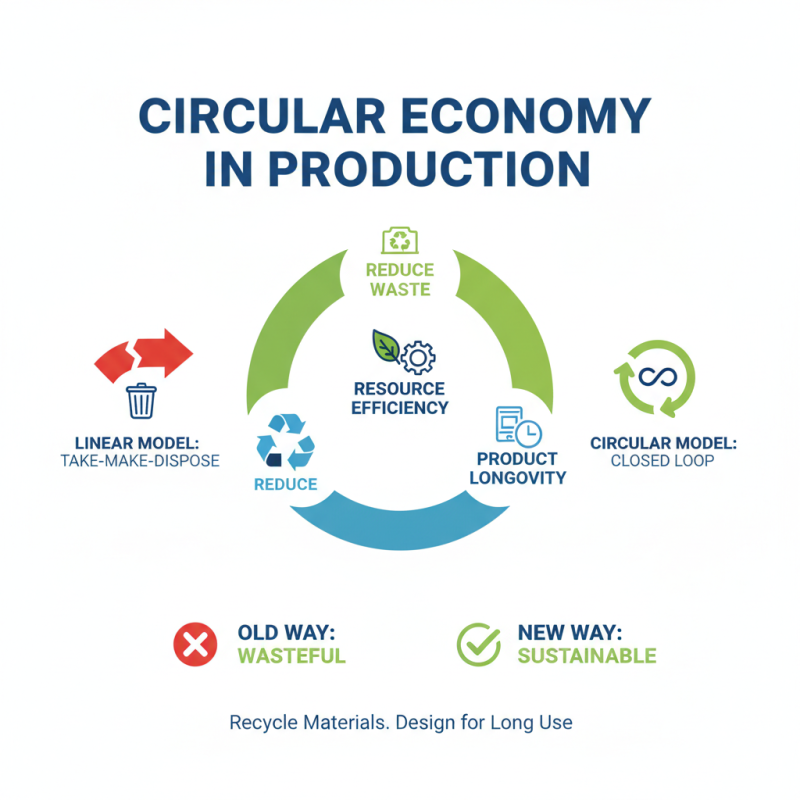
In the quest for sustainability, integrating circular economy principles into manufacturing processes is crucial. This approach moves away from the traditional linear model of "take, make, dispose." Instead, it focuses on creating a closed loop. This reduces waste and maximizes resource efficiency. A shift toward recycling materials and designing products for longevity is essential.
Many manufacturers face challenges in implementing these principles. Transitioning to circularity requires investment and time. Not all companies are ready to embrace this change. Some may struggle with evaluating their supply chains. Others might find it hard to educate their workforce. These hurdles can slow down the process but do not diminish its importance.
A practical example is the redesign of products for easier disassembly. This enables materials to be reused more efficiently. Another tactic is using renewable resources in production. These steps foster an environment of innovation. However, not all companies succeed at first. Learning from failures is part of the journey. Adopting circular economy principles is complex but vital for sustainable manufacturing.
The Role of Renewable Energy in Sustainable Manufacturing
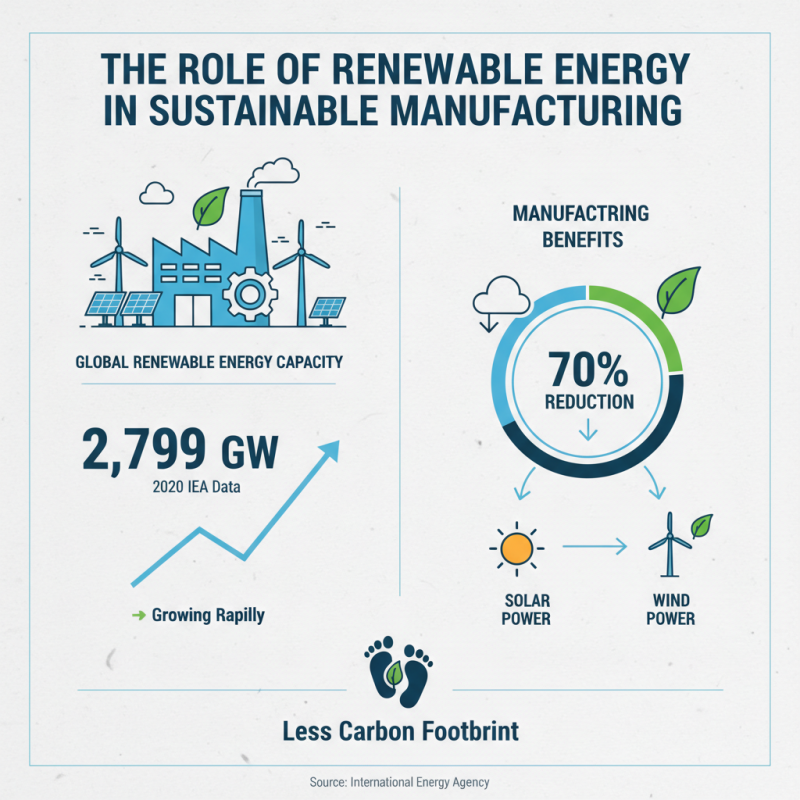
The shift towards renewable energy is reshaping sustainable manufacturing. According to the International Energy Agency, global renewable energy capacity reached 2,799 GW in 2020 and continues to grow rapidly. In manufacturing, transitioning to renewable sources can significantly reduce carbon footprints. For example, wind and solar power can lower greenhouse gas emissions by up to 70% compared to traditional fossil fuels.
Despite these benefits, challenges remain. Not all manufacturing sectors have access to reliable renewable energy sources. Variability in energy supply can disrupt production schedules. Moreover, the initial investment costs for renewable energy systems may deter smaller manufacturers. A 2021 study indicated that about 25% of manufacturers expressed concerns about the high upfront costs associated with renewable technologies.
Adopting renewable energy must be a strategic decision. Data from the World Economic Forum shows that 70% of manufacturers expect to increase their use of renewable energy by 2025. Yet, achieving this goal requires careful planning and investment in technology. Manufacturers must also cultivate partnerships and seek government incentives. These efforts can enhance their sustainability initiatives while navigating inherent barriers to renewable energy adoption.
Strategies for Reducing Waste and Enhancing Resource Efficiency
In the quest for sustainability, manufacturers face increasing pressure to reduce waste and enhance resource efficiency. A recent report from the Ellen MacArthur Foundation shows that adopting circular economy principles could reduce manufacturing waste by 70% by 2026. This shift not only minimizes landfill contributions but also drives down material costs.
Implementing strategies like lean manufacturing can significantly reduce waste. The Institute of Industrial Engineers highlights that applying lean principles led companies to save up to 30% in production costs. Regular audits and employee training on resource usage are essential. However, many organizations struggle to maintain long-term commitment to these practices. Without consistent effort, initial gains can diminish quickly.
Investing in technology such as IoT sensors can optimize resource consumption. A study from McKinsey found that manufacturers who employed smart technologies saw a 15% improvement in energy efficiency within the first year. Still, challenges remain in integrating these systems across diverse operations. Companies often encounter resistance and a learning curve that can hinder progress.
Case Studies of Leading Sustainable Manufacturing Practices in 2026
In 2026, leading manufacturers have integrated sustainability into their operations through innovative practices. One notable case involves using renewable energy sources. A plant now runs entirely on solar power. This shift not only reduces carbon emissions but also lowers energy costs significantly. Such results reflect a growing trend among manufacturers keen on environmental stewardship.
Another successful case is water recycling in production. Companies have implemented systems to capture and reuse wastewater. This approach has reduced their water consumption by over 30%. While these advancements highlight progress, challenges remain. Not all organizations can afford the initial investment. Small manufacturers often struggle to implement such practices due to financial constraints.
Moreover, these sustainable methods require ongoing employee training. Teams must adapt to new technologies. This can lead to operational disruptions, especially during the transition phase. Manufacturers must balance immediate production needs with long-term sustainability goals. As they continue to innovate, the journey towards full sustainability will still present hurdles that require careful consideration and strategic management.
 Skip to content