How to Achieve Carbon Zero in Your Home and Lifestyle Effectively
Achieving carbon zero in your home and lifestyle is not just a personal choice; it is a crucial step toward combating climate change and ensuring a sustainable future for our planet. As individuals increasingly recognize the impact of their daily activities on the environment, understanding how to effectively reach carbon zero has become essential. This journey involves making conscious decisions that minimize carbon emissions, from the energy we consume to the products we purchase.
The path to carbon zero can be both rewarding and challenging. It requires a comprehensive approach that encompasses various aspects of our lives, including energy efficiency, waste reduction, and sustainable transportation. By adopting simple yet effective strategies, individuals can transform their homes into eco-friendly spaces while cultivating sustainable habits in their everyday routines. Moreover, the process of moving toward carbon zero not only benefits the environment but can also enhance our quality of life, leading to healthier living environments and potential cost savings.
In this guide, we will explore practical steps and innovative solutions that can help you achieve carbon zero in your home and lifestyle. Together, we can contribute to a greener planet, reduce our carbon footprint, and inspire others to join the movement toward sustainability.
Understanding Carbon Zero and Its Importance for Homeowners
Understanding Carbon Zero and Its Importance for Homeowners
Achieving carbon zero in our homes and lifestyles is not just an environmental goal; it is becoming increasingly vital for homeowners. Carbon zero refers to balancing the amount of carbon dioxide emitted with an equivalent amount sequestered or offset, effectively resulting in no net emissions. This concept is essential as it directly addresses the urgent climate crisis that affects global weather patterns, air quality, and overall public health. By striving for carbon zero, homeowners can significantly reduce their carbon footprint, contribute to a healthier planet, and create a sustainable living environment for future generations.
Moreover, adopting a carbon zero lifestyle offers several benefits for homeowners that extend beyond environmental impact. Homes built or retrofitted with energy-efficient technologies can lead to substantial cost savings on utility bills. For instance, investing in proper insulation, energy-efficient appliances, or renewable energy sources can decrease energy consumption and enhance comfort. Additionally, many regions offer incentives for homeowners making green upgrades, which can offset initial investments and further promote sustainable living. By understanding the importance of carbon zero and taking actionable steps towards it, homeowners can play a crucial role in mitigating climate change while reaping the practical rewards of a more sustainable lifestyle.
Carbon Footprint Reduction Strategies in Households
This chart illustrates various strategies for reducing carbon emissions in households. The estimated emission reductions are measured in kilograms of CO2 per year. Implementing energy-efficient practices and utilizing renewable energy sources are among the most effective ways to achieve carbon zero in your home.
Assessing Your Current Carbon Footprint in Daily Life
Assessing your current carbon footprint is crucial in the journey toward achieving carbon zero in your home and lifestyle.
Start by examining daily activities that contribute to your carbon emissions, such as energy consumption, transportation, and waste management.
For instance, consider the amount of electricity used by household appliances and heating systems.
Tracking energy consumption over a month can reveal surprising peaks that often go unnoticed.
This awareness is the first step toward making informed changes that can significantly reduce your impact on the environment.
Next, evaluate your transportation choices, as this is another critical area where emissions accumulate.
Analyze how often you use personal vehicles versus public transportation, cycling, or walking.
Reducing reliance on fossil fuel-powered vehicles can greatly lower your carbon footprint.
Additionally, assess waste production by calculating how much goes to landfill versus recycling or composting.
Implementing a waste reduction strategy not only minimizes emissions but also encourages a more sustainable lifestyle.
By thoroughly understanding each aspect of your daily life that contributes to your carbon footprint,
you can identify actionable steps to transition toward a more eco-friendly existence.
Implementing Energy-Efficient Practices in the Home
Implementing energy-efficient practices in the home is essential for achieving carbon zero goals and contributing to a sustainable future. According to the International Energy Agency (IEA), residential buildings account for approximately 20% of global carbon dioxide emissions. By adopting energy-efficient technologies, homeowners can significantly reduce their carbon footprint. Simple measures like upgrading insulation, installing energy-efficient windows, and utilizing smart home technology can cut energy consumption by up to 30%.
Furthermore, the U.S. Department of Energy reports that energy-efficient appliances use 10-50% less energy compared to standard models. This shift is not just beneficial for the environment; it also leads to substantial cost savings on utility bills. Incorporating renewable energy sources, such as solar panels, can further enhance energy efficiency and reduce reliance on fossil fuels. As homeowners make these changes, they not only contribute to carbon reduction but also inspire their communities to pursue similar sustainable practices, creating a ripple effect towards a more energy-efficient lifestyle.
How to Achieve Carbon Zero in Your Home and Lifestyle Effectively - Implementing Energy-Efficient Practices in the Home
| Energy-Efficient Practice |
Description |
Estimated Carbon Reduction (kg CO2/year) |
Cost Savings ($/year) |
| LED Lighting |
Replacing incandescent bulbs with LED lighting. |
450 |
$75 |
| Smart Thermostat |
Installing a programmable thermostat to optimize heating and cooling. |
700 |
$100 |
| Insulation Improvements |
Enhancing insulation in attics or walls. |
1,200 |
$250 |
| Energy Star Appliances |
Upgrading to Energy Star rated appliances. |
300 |
$50 |
| Solar Panels |
Installing solar panels to generate renewable energy. |
2,500 |
$600 |
Transitioning to Renewable Energy Sources for Power Needs
Transitioning to renewable energy sources is a critical step in achieving carbon zero in our homes and lifestyles. By utilizing options such as solar, wind, and geothermal energy, homeowners can significantly reduce their carbon footprint while enjoying the benefits of sustainable power. Solar panels, for example, can be installed on rooftops to harness sunlight, converting it into electricity that can power appliances, lighting, and heating systems. This not only cuts down on greenhouse gas emissions but can also lead to cost savings in the long run, as many people find their energy bills decrease as they rely more on self-generated power.
In addition to solar energy, wind power can be harnessed through small wind turbines for residences in suitable locations. These systems can generate substantial electricity, especially in areas with consistent wind patterns. Geothermal energy is another feasible option, utilizing the earth's natural heat to provide heating and cooling through geothermal heat pumps. By diversifying energy sources and embedding renewables into daily life, households can promote a more sustainable lifestyle, encourage energy independence, and contribute to a collective effort in combating climate change. Embracing these technologies not only leads to a reduction in reliance on fossil fuels but fosters a cleaner, healthier environment for future generations.
Adopting Sustainable Lifestyle Choices to Reduce Emissions
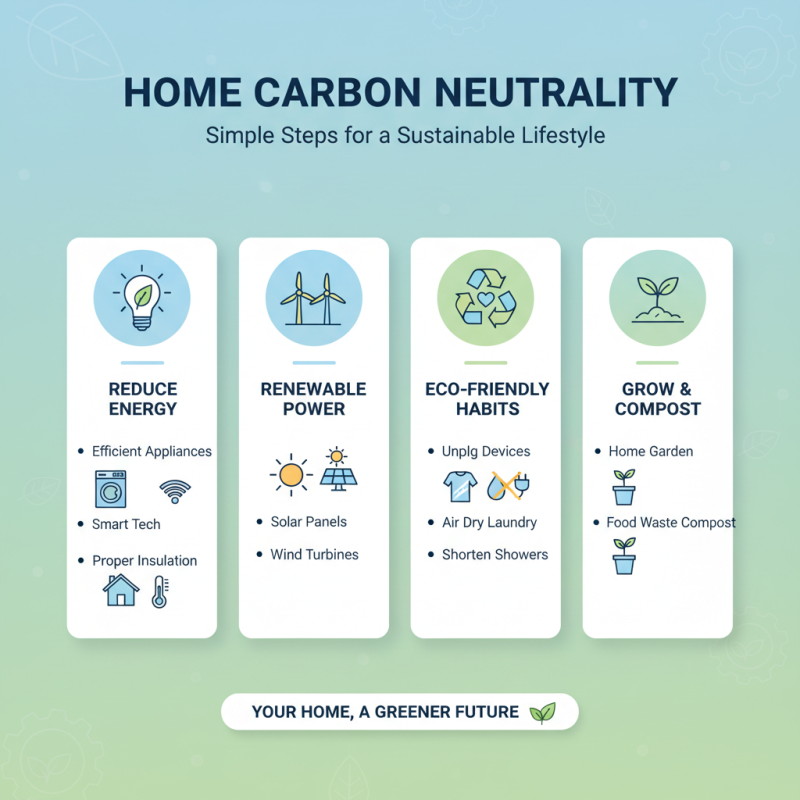
Adopting a sustainable lifestyle is essential for reducing carbon emissions and achieving carbon neutrality in our homes. One of the most impactful steps individuals can take is to rethink their daily habits. Simple changes, such as reducing energy consumption by switching to energy-efficient appliances, utilizing smart home technology, and ensuring proper insulation, can significantly lower household emissions. Additionally, incorporating renewable energy sources, like solar panels or wind turbines, directly contributes to a cleaner energy supply for your home.
Transportation is another major contributor to carbon emissions, and modifying how we travel is vital for sustainability. Choosing public transport, biking, or walking instead of driving can dramatically decrease your carbon footprint. For longer journeys, carpooling or using electric vehicles provides eco-friendly alternatives. Furthermore, embracing a plant-based diet not only benefits personal health but also reduces the demand for meat production, which is one of the leading causes of greenhouse gas emissions associated with agriculture. By making these conscious choices in our daily lives, we can play a crucial role in fostering a more sustainable future.
 Skip to content