Why Choose a Cnc Lathe Machine for Your Manufacturing Needs?
In the competitive landscape of manufacturing, choosing the right equipment is crucial. A Cnc Lathe Machine stands out as a vital tool. According to a report by Statista, the global CNC machine market is expected to reach $100 billion by 2025. Such growth indicates an increasing reliance on technology in production.
CNC Lathe Machines enhance precision and efficiency. The data suggests that these machines can improve productivity by up to 30%. This increase can significantly impact profit margins. However, some manufacturers may overlook the initial costs and training required for adopting CNC technology.
Investing in a CNC Lathe Machine can be daunting. It requires an understanding of the long-term benefits versus short-term challenges. The fear of transitioning from manual to CNC processes is common. Nonetheless, the long-term efficiency and reduced error rate make it a worthy consideration. Embracing this technology may lead to a competitive edge, ultimately resulting in greater market success.
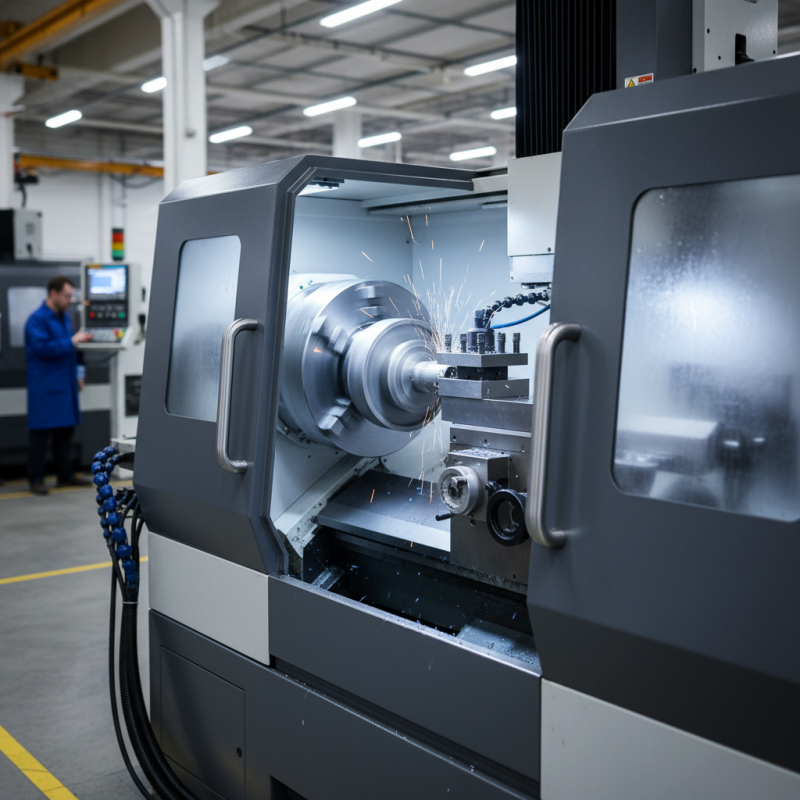
Advantages of CNC Lathe Machines in Precision Manufacturing
CNC lathe machines have revolutionized precision manufacturing. They allow for accurate shaping and cutting of materials. This efficiency leads to reduced waste and improved productivity. Users can achieve tighter tolerances than traditional methods. CNC technology ensures repetitive accuracy across multiple units. It's a game changer for industries that demand precision.
Tip: Regular maintenance is crucial for CNC machines. Check alignment frequently to ensure optimal performance. Even minor errors can lead to flawed products.
Additionally, CNC lathes support complex designs that manual processes struggle with. Programmers can input intricate specifications, and the machine delivers consistent results. However, there is a learning curve. New users may face challenges with software or programming mistakes. These issues require time and practice to overcome.
Tip: Invest in training for staff. Well-trained operators can maximize the machine's potential. Understanding the limits of the lathe can prevent costly errors.
Advantages of CNC Lathe Machines in Precision Manufacturing
This chart illustrates the key advantages of using CNC lathe machines in manufacturing, highlighting their impact on precision, efficiency, and versatility.
Key Features of CNC Lathes That Enhance Production Efficiency
CNC lathes are essential tools in modern manufacturing. They offer precise control and high efficiency. One key feature is their automation capability. This automation reduces human error in the machining process. Operators can focus on monitoring multiple machines simultaneously. This shift in workload enhances productivity and streamlines operations.
Another significant aspect is the quality of the finished product. CNC lathes provide superior surface finishes compared to manual machines. This quality is vital for industries requiring high standards. However, mastering these machines can take time. There's a learning curve that can delay initial productivity. Training operators effectively is crucial to maximizing efficiency.
CNC lathes also support customization. They can create complex shapes and designs. This versatility allows manufacturers to meet varied client demands. Yet, the flexibility comes with a cost. Balancing between customization and production speed can be a challenge. Manufacturers may need to reflect on their specific needs and limitations.
Impact of CNC Lathe Technology on Manufacturing Costs and Waste Reduction
CNC lathe machines have significantly transformed manufacturing processes. They play a vital role in reducing costs and waste. By automating the machining process, CNC technology minimizes human error. Less error means fewer faulty products. This can lead to considerable savings in material costs.
Tips: Regularly maintain your CNC lathe for optimal performance. Make sure to calibrate your tools often. This ensures precision in your work.
The capability of CNC lathes to work with a variety of materials also contributes to waste reduction. They can produce complex parts efficiently and accurately. However, excessive setup changes can lead to scraps. It's essential to plan runs carefully to minimize downtime.
Tips: Consider batch processing to maximize material use. Engage staff in discussions about setups. Their input can highlight inefficiencies you might overlook.
Industry Statistics: CNC Lathe Adoption Trends in Manufacturing Sectors
The adoption of CNC lathe machines in various manufacturing sectors shows significant growth. Many industries are realizing the advantages of precision and efficiency that CNC technology offers. A recent study indicated that over 50% of manufacturers have integrated CNC lathes into their operations. This trend highlights the increasing trust in CNC capabilities.
Manufacturers are faced with challenges when transitioning to CNC. Initial costs can be high, and training staff takes time. Some companies struggle to find the right balance between tradition and modern techniques. However, they often see positive returns in productivity. Data suggest that CNC lathes can reduce lead times substantially.
Despite the gradual uptake, some sectors lag behind. Small manufacturers may hesitate due to financial constraints. Yet, those who invest in CNC technology often see improved product quality. The trend points to a robust future for CNC lathes. Adopting this technology isn't just about machines; it’s also about embracing innovation.
Comparison of CNC Lathes and Traditional Lathes in Production Output
CNC lathes and traditional lathes both serve essential roles in manufacturing. CNC lathes offer precision and automation. They can produce complex shapes quickly. This efficiency often translates to higher production output. Operators can program various designs without adjusting the machine. In contrast, traditional lathes require manual settings. This can slow down the production process. Workers must constantly adjust the tool for each part.
Production output is a critical factor. CNC lathes create multiple items with consistent quality. A single program can run all day without human intervention. This can lead to fewer errors. Traditional lathes, while reliable, often depend on operator skill. A mistake in manual operation can lead to wasted materials. The output may vary widely based on the operator’s experience.
However, CNC lathes are not perfect. Initial costs can be high, and training is essential. Some operators may struggle to adapt to the technology. Traditional lathes are more familiar to many. They require less technical knowledge. Balancing these factors is vital. Each method has strengths and weaknesses worth considering.
Why Choose a CNC Lathe Machine for Your Manufacturing Needs?
| Feature | CNC Lathe | Traditional Lathe |
| Automation Level | High | Low |
| Production Speed | Faster | Slower |
| Precision | High | Moderate |
| Setup Time | Short | Long |
| Operator Skill Requirement | Low | High |
| Flexibility in Production | High | Limited |
| Cost Efficiency for Large Batches | High | Moderate |
| Maintenance Complexity | Moderate | Low |
 Skip to content