How to Choose the Best Sustainability Partners for Your Business in 2025
In an increasingly conscious marketplace, the importance of selecting the right sustainability partners for your business cannot be overstated. As we approach 2025, organizations are not only expected to adopt sustainable practices but are also held accountable for their partnerships and collaborations. Sustainability partners play a crucial role in enhancing a company's credibility, improving operational efficiencies, and driving innovation in sustainable solutions. With a growing demand from consumers and stakeholders for more transparency and ethical practices, aligning with the right partners can significantly impact a brand's reputation and bottom line.
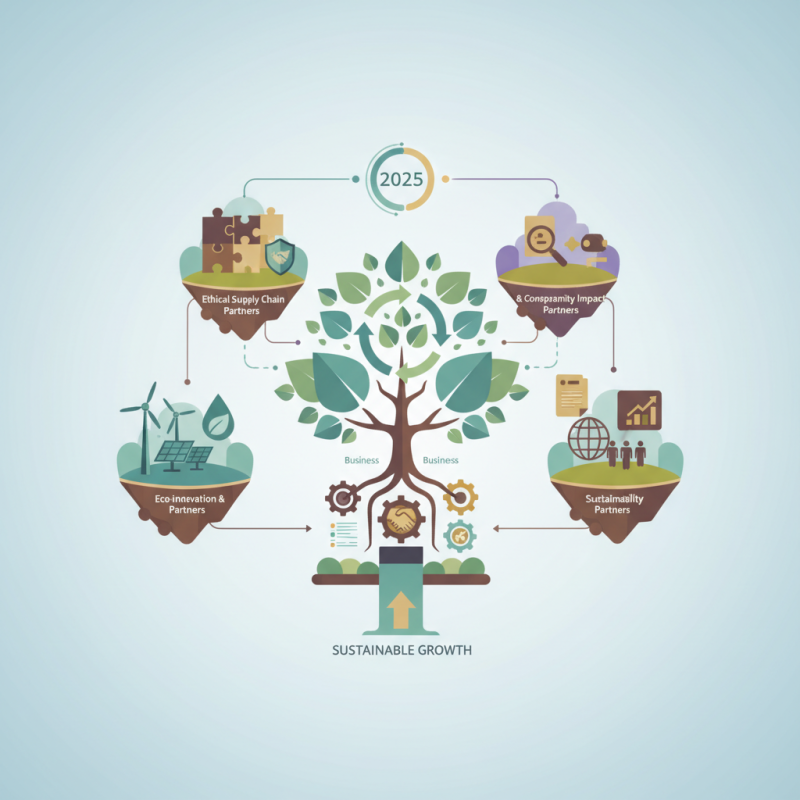
Choosing the best sustainability partners involves a strategic evaluation of shared values, goals, and practices. As businesses face the challenges of climate change and resource scarcity, working with partners who are committed to sustainability can foster a more resilient and responsible supply chain. This partnership should go beyond mere compliance with regulations; it should embody a shared vision for sustainable growth and community impact. In this evolving landscape, understanding how to identify and cultivate these relationships is essential for ensuring long-term success and relevance in the global economy.
Identifying Key Sustainability Metrics to Assess Partners in 2025
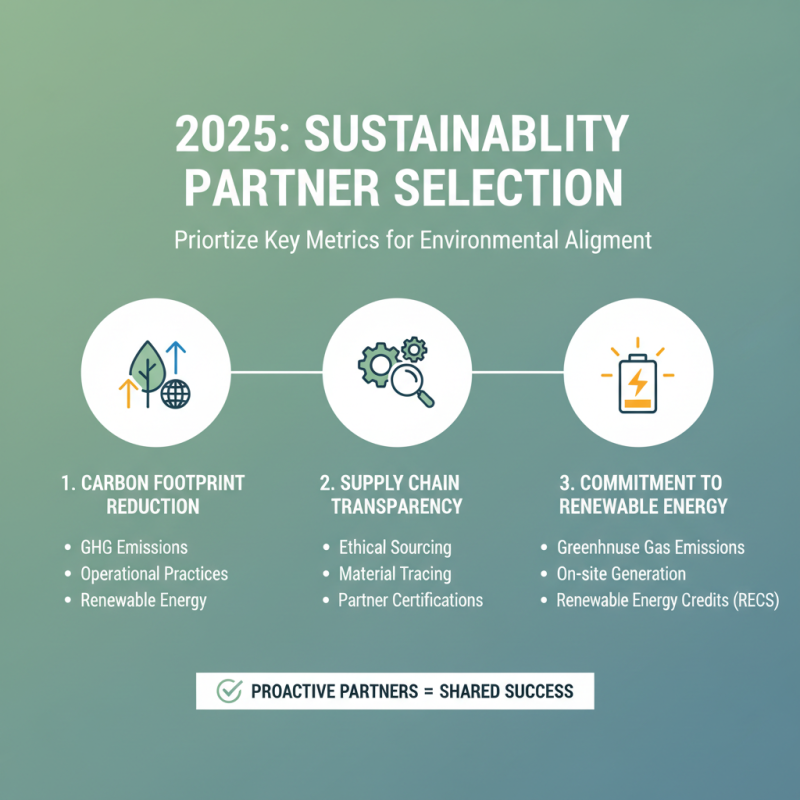
When selecting sustainability partners in 2025, businesses must prioritize key sustainability metrics to ensure alignment with their environmental goals. One critical metric is carbon footprint reduction. Organizations should evaluate potential partners based on their documented efforts to minimize greenhouse gas emissions. This includes looking at their operational practices, supply chain transparency, and commitment to renewable energy. A partner that actively measures and seeks to reduce their carbon impact demonstrates a proactive approach to sustainability, making them a valuable ally in shared goals.
Another important metric is resource efficiency, which encompasses both energy and water use. Businesses should consider partners who implement innovative technologies or practices that enhance resource utilization. This could involve assessing their waste management strategies, recycling rates, and initiatives focused on conserving natural resources. A partner that excels in resource efficiency not only contributes to the overall sustainability objectives but also often provides operational cost benefits, thus enhancing the mutual value of the partnership.
Lastly, social sustainability metrics should not be overlooked. This includes evaluating labor practices, community engagement, and commitment to diversity and inclusion. A partner's ability to foster a socially responsible environment can amplify a business’s reputation and ensure ethical practices across the supply chain. By examining these key metrics—carbon footprint, resource efficiency, and social responsibility—companies can make informed decisions that promote long-term, sustainable partnerships essential for success in 2025 and beyond.
Understanding the Role of Certifications and Standards in Sustainability
In an era where sustainability is becoming increasingly critical for businesses, understanding certifications and standards is vital when selecting sustainability partners. Certifications serve as indicators of a partner's commitment to environmental practices and social responsibility. They help businesses ensure that their partners adhere to recognized sustainability benchmarks, promoting credibility and trust in collaborative initiatives. As we approach 2025, the landscape of certifications is evolving, with more organizations seeking transparent practices and measurable impact.
**Tips:** When evaluating potential sustainability partners, look for well-known certifications such as ISO 14001 for environmental management or Fair Trade for ethical sourcing. These certifications can provide peace of mind that the partner aligns with your sustainable goals.
Standards also play a crucial role in facilitating partnerships, as they often outline specific criteria that organizations must meet to be considered sustainable. This can include guidance on waste management, energy efficiency, and resource conservation. By choosing partners who comply with established standards, businesses can streamline their sustainability initiatives and enhance their overall performance.
**Tips:** Review the list of certifications and standards related to your industry. Engaging with partners who regularly update their practices to meet these evolving standards will ensure a forward-thinking approach to sustainability.
Evaluating the Financial Stability of Potential Sustainability Partners
When selecting sustainability partners, evaluating their financial stability is crucial. A partner's financial health often reflects their ability to invest in sustainable initiatives and weather market fluctuations. Businesses should analyze potential partners' financial statements, looking for indicators like consistent revenue growth, manageable levels of debt, and healthy cash flow. This scrutiny helps ensure that the partner not only shares your sustainability goals but also has the resilience to support and scale these initiatives over time.
In addition to financial statements, businesses should consider credit ratings and external audits, which can provide an objective assessment of a partner's financial standing. Engaging with these partners on sustainability projects should involve transparent discussions about their long-term financial strategies and their commitment to sustainability. This can reveal not only their operational integrity but also their dedication to making substantial and lasting changes that align with both parties’ goals. By prioritizing financial stability in potential partners, businesses can forge alliances that are not only impactful but also enduring, resulting in mutual growth and success in sustainable development.
Financial Stability of Potential Sustainability Partners in 2025
This chart evaluates the financial stability scores of potential sustainability partners for your business in 2025. The scores range from 0 to 100, indicating how reliable each partner is in terms of financial health.
Analyzing the Alignment of Sustainability Goals with Business Objectives
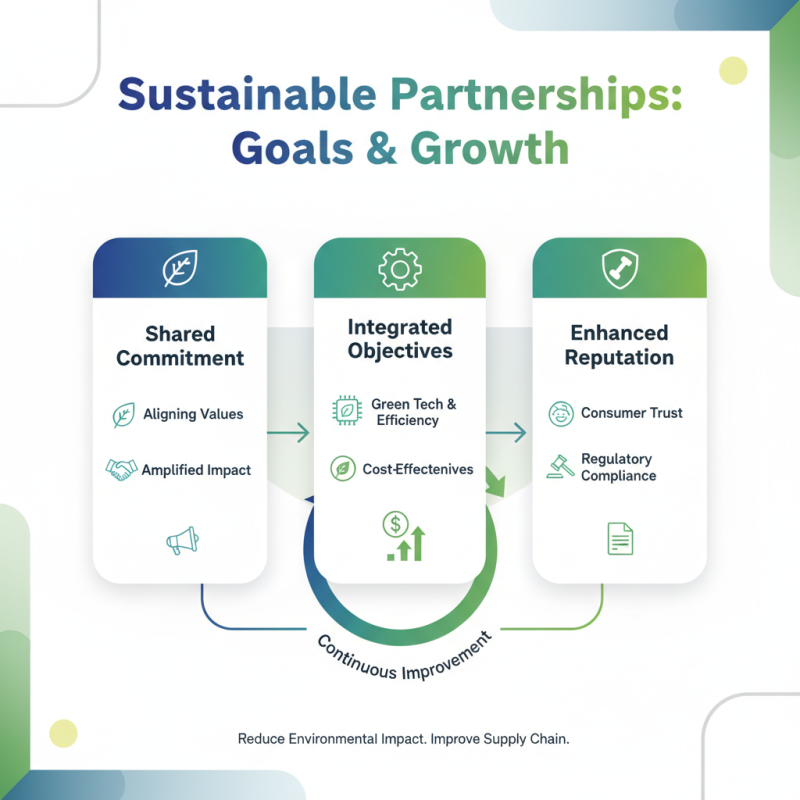
In the quest for sustainable partnerships, aligning your sustainability goals with business objectives is paramount. Businesses today are facing increasing pressures from consumers and regulators to adopt greener practices. Therefore, selecting partners who share a commitment to sustainability can amplify efforts and enhance reputation. An effective approach involves evaluating potential partners not just on their sustainability credentials, but also on how these ideals integrate with your operational goals. For instance, consider how a partner's green technology can not only reduce environmental impact but also improve efficiency and cost-effectiveness in your supply chain.
Furthermore, it’s crucial to engage in open dialogue with prospective partners to uncover shared values and objectives. This dialogue can facilitate a deeper understanding of each party's vision, leading to collaborations that yield innovative solutions to common challenges. It is essential to assess their sustainability metrics and practices to ensure that these align with your own long-term goals. Companies must also be conscious of their partners' transparency and accountability in sustainability practices, as these factors strengthen the foundation of the partnership and foster trust. Ultimately, building a network of aligned sustainability partners will not only contribute to achieving corporate goals but will also promote broader positive impacts on the environment and society.
Utilizing Data-Driven Approaches for Effective Partner Selection in 2025
In 2025, selecting the right sustainability partners will be crucial for businesses aiming to enhance their environmental impact and operational efficiency. A data-driven approach to partner selection can empower organizations to make informed decisions based on quantifiable metrics. According to a recent report from the Global Sustainability and Innovation Institute, companies that leverage data analytics for partner evaluations typically see a 30% increase in sustainability performance. By analyzing factors such as carbon emissions reduction capabilities, innovation in sustainable practices, and compliance with environmental regulations, businesses can identify partners that align with their sustainability goals.
When embarking on the partner selection process, it is essential to utilize robust data sources. Tips for effective data utilization include:
- Collecting historical performance data from potential partners, including their sustainability certifications and past project success rates.
- Utilizing industry benchmarks to evaluate partners against top performers in the sustainability space, which can highlight strengths and weaknesses.
- Implementing a scoring model that incorporates both qualitative and quantitative metrics to provide a holistic view of potential partners.
In addition, fostering transparent communication with potential partners about sustainability objectives can yield insightful data on their capabilities and commitments. Engaging in collaborative assessments allows businesses to better understand their partner’s sustainability practices and innovation approaches, ensuring a productive and impactful partnership.
How to Choose the Best Sustainability Partners for Your Business in 2025
| Criteria |
Importance Rating (1-5) |
Data Availability |
Sustainability Score |
| Carbon Footprint Reduction |
5 |
Extensive |
85 |
| Waste Management Practices |
4 |
Moderate |
75 |
| Sourcing of Raw Materials |
4 |
Limited |
70 |
| Employee Engagement in Sustainability |
3 |
Extensive |
80 |
| Sustainability Certifications |
5 |
Extensive |
90 |
| Transparency and Reporting |
5 |
Extensive |
88 |
 Skip to content