How to Choose the Right Gate Valve for Your Needs?
Choosing the right Gate Valve is crucial for efficiency and safety in various applications. In the oil and gas industry, for example, around 70% of operational failures are linked to valve issues. This statistic highlights the importance of selecting the appropriate gate valve. These valves control the flow of fluids, ensuring the system functions properly.
Gate valves come in various sizes and materials. The selection process can be daunting. Industry reports suggest that using the wrong valve can lead to costly repairs and downtime. Factors like pressure rating and environmental conditions are essential to consider. For instance, a valve that works well in a water system might fail in a corrosive environment.
Reflection on past decisions reveals that many users overlooked these factors. This often resulted in inefficiencies and budget overruns. It's vital to prioritize quality and reliability over cost alone. In the end, making an informed choice on gate valves not only saves money but also enhances system performance.
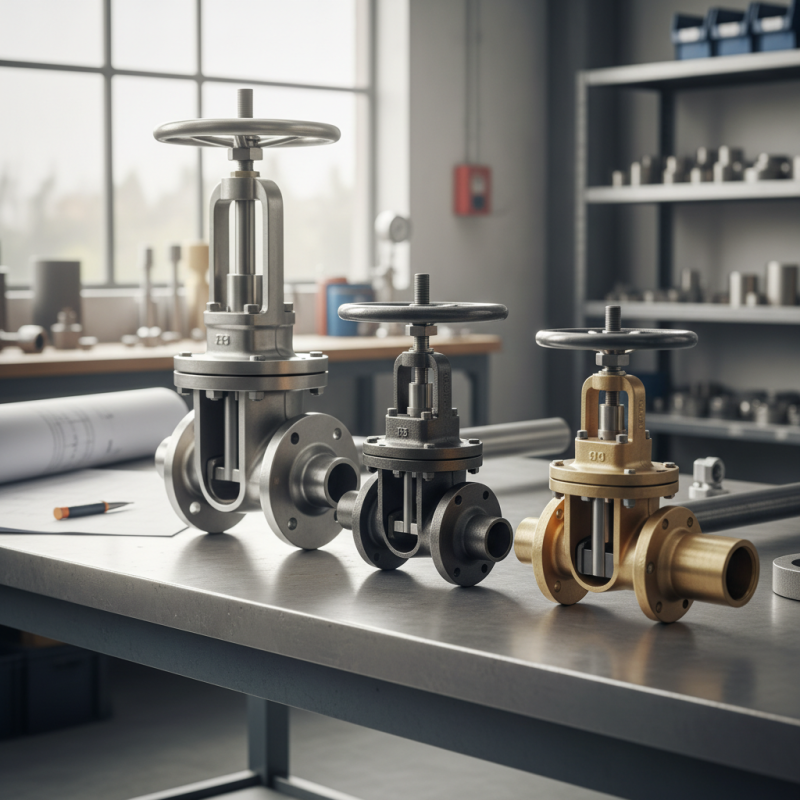
Understanding Gate Valves: Types and Applications
Gate valves play a crucial role in various applications across industries. They are primarily used to start or stop the flow of fluids. Their design allows for minimal pressure loss when fully open. The materials used in manufacturing range widely, including stainless steel, brass, and PVC. According to the Global Gate Valve Market report, the demand for gate valves is projected to grow at a CAGR of 4.5% through 2027. This growth reflects increasing industrial activities and the need for reliable flow control.
Different types of gate valves cater to specific needs. For example, rising stem gate valves are common in waterworks. They provide a clear visual indication of the valve's position. Non-rising stem gate valves are often seen in underground applications. They save space and have a lower profile when closed. Choosing the correct type depends heavily on environmental factors and fluid characteristics.
**Tip:** Always consider the fluid type and temperature when selecting a valve. The wrong choice can lead to leaks or failures.
**Tip:** Regular maintenance is essential. Check for corrosion and other forms of wear. Ignoring issues can compromise valve function.
In summary, understanding your specific application is key. The choice may seem straightforward, but nuanced factors can complicate decisions. Rise to the challenge and evaluate all aspects before purchasing a gate valve.
Key Factors to Consider When Choosing a Gate Valve
Choosing the right gate valve involves several key factors. One major consideration is the valve size. It must match the pipe diameter correctly. Oversized or undersized valves can lead to inefficiencies. Another aspect to consider is the valve material. Different materials are suited to various fluids. Corrosion resistance is essential for longevity.
Pressure ratings matter as well. Depending on your application, the valve must handle specific pressure levels. Always consult specs to avoid mismatches. Don’t overlook the temperature ratings too. High and low temperatures affect valve performance. Selecting the wrong valve might cause failures.
Installation and maintenance are also critical factors. Some valves require specialized tools for installation. If not done properly, this can lead to leaks. Consider accessibility for maintenance as well. A hard-to-reach valve can be a nightmare later. Reflecting on these factors early can save time and money.
How to Choose the Right Gate Valve for Your Needs? - Key Factors to Consider When Choosing a Gate Valve
| Dimension | Material | Pressure Rating (PSI) | Temperature Range (°F) | End Connection Type |
| 2 inch | Carbon Steel | 150 | -20 to 200 | Flanged |
| 3 inch | Stainless Steel | 300 | -40 to 250 | Welded |
| 4 inch | Cast Iron | 150 | 0 to 180 | Screwed |
| 6 inch | Ductile Iron | 250 | -20 to 220 | Flanged |
Materials and Construction: Selecting the Right Option
When selecting a gate valve, material and construction are crucial factors. Common materials include brass, cast iron, and stainless steel. Each material has specific strengths and weaknesses. Brass is lightweight but can corrode over time. Cast iron offers durability but may be too heavy for some applications. Stainless steel provides excellent corrosion resistance but can be costly.
Consider the environment where the valve will be installed. High temperatures or corrosive substances may dictate your material choice. It's also essential to evaluate the pressure ratings. Not every valve will perform well under extreme conditions. Be prepared for potential issues if mismatched materials are used.
Manufacturing processes matter too. Some valves may not adhere to strict quality standards. Flaws in construction can lead to leaks or early failure. Inspecting the valve for defects ensures reliability. Keep in mind, each application is unique. Selecting the right gate valve is not always straightforward. Take your time to weigh all these factors before making a decision.
Sizing and Specifications: Ensuring Proper Fit
When selecting a gate valve, sizing and specifications are critical. Proper size ensures optimal performance. The valve should match the pipe diameter to avoid flow issues. A report by the American Water Works Association indicates that improper sizing leads to a 30% reduction in efficiency for fluid systems.
Consider the pressure ratings when sizing your valve. Valves must withstand the pressure of liquids or gases in your system. A mismatch can cause leaks or failures. The pressure rating is often expressed in pounds per square inch (PSI). For heavy-duty applications, look for valves rated at least 150 PSI.
Tips: Always measure the existing pipes before purchasing a valve. This prevents costly errors. If unsure, consult with an industry professional. Even minor discrepancies in size can create significant problems in the long run. Make use of tools like pressure gauges to verify requirements.
One common mistake is overlooking the flow capacity. Data suggests that a valve should have a flow coefficient (Cv) that matches your system's requirements. A mismatch can reduce efficiency by over 25%. Evaluate your system’s requirements carefully before making a decision. It’s crucial to take time to assess all specifications properly.
Installation and Maintenance Tips for Gate Valves
When installing a gate valve, ensure you choose the right location. It should be accessible for maintenance. Avoid tight spaces. A well-positioned gate valve can work effectively for years. However, neglecting this can lead to issues. Make sure to align it properly with the pipeline. Misalignment can cause leaks and other problems over time.
Regular maintenance is key for longevity. Check for leaks periodically. Inspect the valve for corrosion or wear. These issues can arise unexpectedly. If dirt or debris accumulates, clean the valve. Sometimes, people forget to maintain them. This can lead to complications later. Lubricating the thread sometimes helps with operation. Remember, a little care goes a long way.
Consider the environment where the gate valve is installed. High-pressure areas might need more attention. Temperature can affect the valve's function, too. If not addressed, it might freeze or degrade. Awareness of these factors is crucial. Many overlook them, assuming the valve will function endlessly. Testing the valve regularly is wise. It can save you from serious problems down the line.
 Skip to content