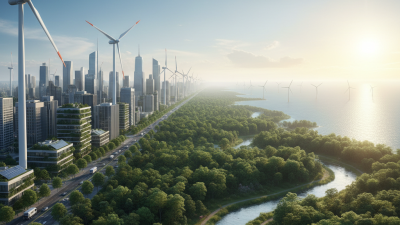
CO2 emission reduction means cutting the carbon dioxide released into the atmosphere by human activities. It involves changing how electricity, transport, buildings, agriculture, and industry operate. A coal-fired power station, a diesel truck, and a cement kiln can each leave a measurable carbon footprint. Reducing those emissions requires cleaner energy, efficient equipment, responsible land use, and better production methods. It is practical work, not only a distant environmental ambition.
The stakes are immediate. Carbon dioxide remains in the atmosphere for a long time, trapping heat and intensifying climate risks. Higher temperatures can worsen heatwaves, droughts, floods, food insecurity, and damage to infrastructure. In 2022, IPCC Working Group III Co-Chair Jim Skea stated, “It’s now or never, if we want to limit global warming to 1.5°C.” His warning connects scientific evidence with a narrow decision-making window. Every avoided tonne of CO2 matters, although progress must be measured carefully.
Effective co2 emission reduction depends on credible data. Companies should report direct emissions, purchased energy, and relevant supply-chain impacts. Independent verification can expose gaps between attractive promises and actual performance. A factory may install solar panels, yet still depend heavily on coal-based electricity. That detail matters. No single technology solves the problem, and some solutions create new environmental pressures. This is where honest evaluation becomes essential. The path is imperfect, sometimes expensive, and politically difficult. Still, transparent action can reduce risks, strengthen energy security, and create healthier communities.
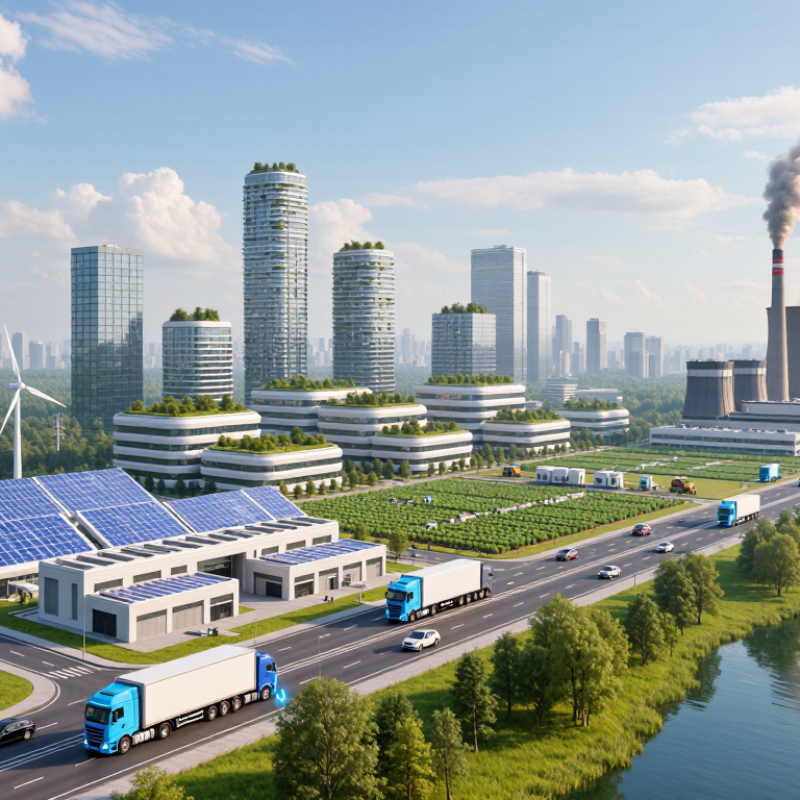
CO2 emission reduction means lowering the amount of carbon dioxide released into the atmosphere. It is not the same as removing CO2 already present. A cement kiln can reduce emissions by using less fossil fuel, improving heat efficiency, or changing its process chemistry. A building can do it through insulation, heat pumps, and cleaner electricity. That distinction matters. Carbon offsets may support climate projects, but they do not automatically reduce pollution at its original source.
The scale is measurable. The Global Carbon Budget 2024 estimated fossil CO2 emissions at about 37.4 billion tonnes in 2024. The International Energy Agency reported 37.4 billion tonnes of energy-related CO2 in 2023, a record high. These figures expose an uncomfortable point: efficiency gains are real, yet total emissions can rise when energy demand grows faster. Reduction therefore requires cleaner systems and less waste. One efficient machine cannot compensate for unlimited expansion.
At company level, credible measurement begins with a baseline year, fuel records, electricity data, and production volumes. Emissions are then tracked per tonne of steel, shipment, or square metre. The Greenhouse Gas Protocol separates direct emissions from purchased energy and value-chain emissions. This prevents impressive-looking claims from hiding major sources. Still, data quality is imperfect. Supplier estimates may replace meter readings, and annual averages can conceal winter peaks. The IPCC finds that limiting warming to 1.5°C requires rapid, deep reductions this decade.
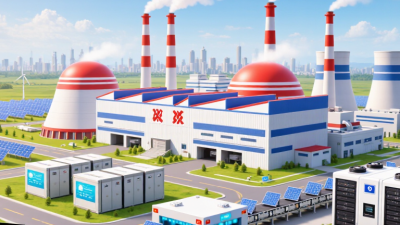
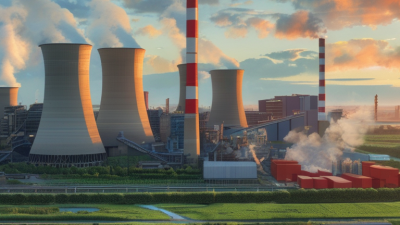
Carbon dioxide emissions come mainly from burning fossil fuels. Coal, oil, and natural gas release carbon when heated with oxygen. A power station may burn coal for hours, sending CO2 through tall stacks. Cars and trucks release it through exhaust pipes during daily travel. Homes also produce emissions when gas or oil heats water and rooms.
Industry adds another major source. Cement production releases CO2 when limestone changes chemically inside a hot kiln. Steel, chemicals, shipping, and aviation also require large amounts of energy. Some emissions come from land-use change. Cutting forests removes trees that absorb CO2, while disturbed soil can release stored carbon. These losses may continue for years.
Electricity emissions can be difficult to assign. A laptop has no smokestack, yet its energy may come from a fossil-fuel plant. Emission inventories use measured fuel use, activity data, and conversion factors. They are useful, but not perfectly precise. I have found that household estimates often overlook commuting, imported goods, and building materials. That gap matters. A fair assessment should examine both direct emissions and those hidden across supply chains. Reducing CO2 therefore begins with identifying the actual source, not simply blaming the most visible one.
Reducing CO2 emissions means releasing less carbon dioxide from energy, transport, buildings, and industry. In practice, it starts with measurement. A facility can record fuel use, electricity consumption, production volume, and yearly emissions. Without reliable data, claimed reductions may sound impressive but remain difficult to verify. Small details matter, such as refrigerant leaks, idling vehicles, and poorly insulated doors.
How is CO2 emission reduction achieved? Many organizations begin by improving energy efficiency. Better insulation, efficient motors, heat recovery systems, and smart temperature controls can reduce wasted energy. Switching from coal or oil to lower-carbon electricity also helps. Renewable power, public transport, electric vehicles, and shorter delivery routes can cut emissions further. Industrial sites may redesign materials and processes to use less heat. Forest protection and carefully managed soil can store carbon, but these measures need long-term monitoring.
A practical reduction plan needs clear targets and independent checks. Teams should compare emissions against the same production level, not only against an unusually busy year. Our first estimate may be too optimistic. That is a useful warning, not a reason to hide the mistake. Real progress often requires repeated measurements, equipment maintenance, worker training, and honest reporting. A building manager might discover that a new system saves less energy during cold mornings. Adjustments then become part of the work. Costs, grid conditions, local weather, and supply chains also influence the result. Some solutions look simple on paper. They are not always simple in operation.
Reducing carbon dioxide emissions offers benefits beyond slowing climate change. Cleaner air can lower exposure to pollutants from fuel combustion. That matters near busy roads, schools, and industrial areas. Lower emissions also reduce climate-related risks, including extreme heat, crop stress, and flooding. Healthier communities may face fewer respiratory problems and lost workdays. These gains are practical, not abstract.
Energy efficiency can cut operating costs in homes, farms, and workplaces. Better insulation keeps rooms warmer in winter and cooler in summer. Efficient transport can reduce fuel use and noise on crowded streets. Renewable electricity may also strengthen energy security when fuel supplies become unstable. Still, progress is uneven. Some projects require expensive materials, new grids, or land. A poorly planned solution can shift environmental pressure elsewhere. Measuring full life-cycle emissions remains essential, though the data is not always complete.
Tips: Start with a recent emissions record, not a guess. Replace wasted energy before buying new equipment. Choose walking, shared transport, or efficient vehicles when practical. Set a measurable target, such as reducing electricity use by ten percent. Check results monthly with utility bills or meter readings. Keep the method transparent. Ask whether savings came from real reductions or simply lower production. Small changes help, but honest measurement matters more.
CO₂ emission reduction means producing and releasing less carbon dioxide through cleaner energy, greater efficiency, low-carbon transport, responsible land use, and carbon removal.
Estimated global CO₂ emissions from fossil fuels and industry, plus land-use change. Values are shown in gigatonnes of CO₂ per year. Source: Global Carbon Project, Global Carbon Budget 2024.
Lower cumulative CO₂ emissions reduce the long-term rise in global temperature and help limit climate risks.
Replacing fossil fuels can also reduce co-emitted pollutants, improving air quality and public health.
Less atmospheric CO₂ slows ocean acidification, helping marine ecosystems adapt to environmental change.
Energy efficiency and clean technologies can reduce exposure to volatile fuel prices and strengthen energy security.
CO2 emission reduction sounds straightforward: release less carbon dioxide from energy, transport, buildings, and industry. In practice, the work is uneven. Progress is uneven. A factory may install efficient equipment, yet its electricity still comes from coal. Results can look better on paper than in the atmosphere.
Measurement Measurement is a major obstacle. Companies must separate direct emissions from electricity use and supply-chain emissions. Old meters, incomplete records, and changing production volumes can distort results. Data can mislead. A cement kiln, for example, emits CO2 during fuel use and limestone heating. Counting only the fuel misses an important source. Independent audits and transparent methods improve trust, but they require time and money. Small operators often lack both.
Technology and uncertainty Technology creates another difficult trade-off. Renewable power can reduce emissions, but grids need storage, stronger transmission lines, and dependable backup systems. Electric vehicles lower tailpipe emissions, yet their benefits depend on battery production and the local power mix. Better choices are not always affordable choices. Policy changes can also delay investment when permits or carbon rules shift. Some projects move emissions instead of reducing them, sending production to regions with weaker standards. Practical plans should test energy data, local costs, worker impacts, and maintenance needs. Even careful forecasts can fail when demand rises unexpectedly or equipment breaks. That uncertainty is uncomfortable, but ignoring it creates greater risks.