How to Achieve Effective Carbon Reduction in Global Sourcing?
In today's global marketplace, the pursuit of carbon reduction has become crucial. Companies recognize that sourcing decisions significantly impact their carbon footprints. Effective strategies can lead to lower emissions and enhanced sustainability efforts. However, achieving meaningful carbon reduction poses challenges.
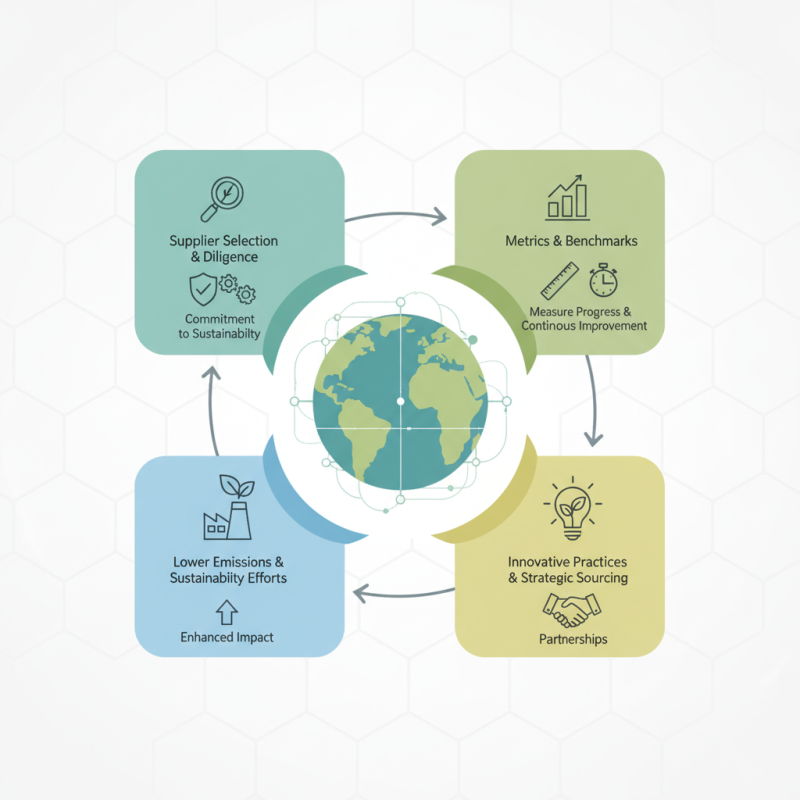
One key consideration is supplier selection. Businesses must evaluate partners based on their commitment to sustainability. Assessing their environmental practices requires diligence and expertise. Many companies struggle with transparency in their supply chains. This limits their ability to make informed decisions.
When implementing carbon reduction initiatives, metrics play a vital role. Organizations need clear benchmarks to measure progress. Without them, it is easy to overlook areas for improvement. The road to effective carbon reduction requires continuous reflection and adaptation. Ultimately, success lies in a combination of strategic sourcing and innovative practices.
Understanding Carbon Footprint in Global Sourcing
In the context of global sourcing, understanding carbon footprints is essential. Carbon footprints measure the total greenhouse gases emitted during production and transportation. Each step in the supply chain contributes significantly. Raw materials, manufacturing, and logistics add to emissions. Identifying these sources is the first step toward effective reduction.
Carbon accounting can reveal surprising insights. For instance, a product may have a low footprint in production but high emissions during shipping. Sourcing locally can often reduce transportation-related emissions. However, local materials may have higher production emissions. This paradox requires careful analysis. Businesses must reflect on their sourcing choices and consider the broader impacts.
Education and collaboration create pathways to improvement. Engaging suppliers in sustainability practices fosters accountability. Sharing best practices and technologies can elevate performance. Yet, it's crucial to recognize that carbon reduction is a complex challenge. Setting targets without a clear strategy can lead to disillusionment. Continuous assessment and adaptability are key to genuine progress in global sourcing.
Implementing Sustainable Supply Chain Practices
Implementing sustainable supply chain practices involves a multifaceted approach. Companies must assess their sourcing methods and prioritize
eco-friendly materials. Emphasizing local suppliers can significantly reduce transportation emissions. By partnering with nearby manufacturers, businesses lower their carbon footprint.
Transparency in sourcing is crucial for effective carbon reduction. Companies should openly share their supply chain data. This fosters trust with consumers and stakeholders. Yet, many firms struggle to achieve full transparency. They often lack the tools to
track their suppliers’ sustainability efforts. This gap can lead to missed opportunities for improvement.
Training and engaging employees is another vital aspect. Sustainability training can empower staff to make informed choices. A collective effort can drive significant change. However, not all employees may embrace these initiatives. Resistance can arise from a lack of understanding or commitment.
Companies must continuously work to foster a culture of sustainability. They need to address these challenges to truly realize their carbon reduction goals.
Leveraging Technology for Carbon Tracking and Reduction
Leveraging technology for carbon tracking and reduction is crucial in today's global sourcing landscape. According to a recent report by the International Energy Agency, supply chain emissions account for up to 90% of a company’s total carbon footprint. Effective solutions are necessary to address this challenge.
One innovative approach involves using blockchain technology. This creates a transparent and decentralized ledger for tracking carbon emissions throughout the supply chain. By providing precise data on emissions, companies can make informed decisions. For instance, a study indicated that businesses utilizing such technology saw a 30% reduction in emissions over five years. Real-time tracking of emissions also enables quick adjustments to sourcing strategies, reflecting immediate environmental impacts.
However, challenges remain. Not all companies have access to advanced technology. Many smaller suppliers struggle to implement carbon tracking systems due to costs. Without widespread adoption, achieving significant carbon reduction is difficult. Additionally, some firms focus primarily on compliance rather than true sustainability. This approach may lead to superficial changes that do not drive meaningful progress. Emphasizing comprehensive tracking and accountability can bridge this gap, but continuous reflection on methods is essential to foster genuine improvements in carbon reduction.
How to Achieve Effective Carbon Reduction in Global Sourcing? - Leveraging Technology for Carbon Tracking and Reduction
| Sourcing Region |
Carbon Emission (kg CO2e) |
Technology Used |
Reduction Strategy |
Estimated Reduction (%) |
| Asia |
2500 |
AI-based Carbon Tracking |
Supply Chain Optimization |
20% |
| Europe |
1800 |
Blockchain Tracking |
Renewable Energy Use |
25% |
| North America |
3200 |
IoT Sensors |
Logistics Optimization |
15% |
| South America |
2100 |
Data Analytics |
Material Substitution |
30% |
| Africa |
1500 |
Carbon Footprint Calculators |
Efficient Resource Management |
10% |
Collaborating with Stakeholders to Enhance Carbon Efficiency
Collaboration with stakeholders is essential for enhancing carbon efficiency in global sourcing. It starts with open communication, creating a transparent dialogue among suppliers, manufacturers, and clients. Working together can yield innovative solutions. Consider a recent project where various parties shared data on emissions. They discovered opportunities for reducing waste and energy use. Each stakeholder’s input was vital to formulate actionable plans.
Engaging diverse groups brings different perspectives. It can lead to unexpected improvements in sourcing strategies. Sometimes, sustainability goals clash with cost minimization. It can create friction. However, fostering a culture of cooperation encourages compromise and creativity. Regular workshops can help align goals and address challenges.
Most organizations have room for improvement. They may lack the right metrics for tracking progress. Some may struggle to implement changes due to entrenched habits. Reflecting on these shortcomings can drive meaningful change. Open discussions on setbacks can help teams learn and adapt. True collaboration goes beyond mere compliance; it inspires accountability and shared responsibility.
Carbon Reduction Strategies in Global Sourcing
 Skip to content