Effective Ways to Reduce Carbon Emissions for Global Buyers?
As the world grapples with the escalating threat of climate change, buyers across industries face increasing pressure to implement effective methods to reduce carbon emissions. A 2021 report by the United Nations Environment Programme highlighted that global carbon emissions must be halved by 2030 to limit warming to 1.5 degrees Celsius. This critical timeline emphasizes the urgency for businesses to adopt sustainable practices.
Many global buyers are now exploring innovative ways to reduce carbon emissions. For instance, transitioning to renewable energy sources, such as solar and wind, can significantly decrease a company's carbon footprint. According to the International Renewable Energy Agency, renewable energy could deliver up to 85% of the emissions reductions needed by 2030. However, not all buyers are taking adequate action. Many still rely heavily on fossil fuels, which hampers progress.
Moreover, shifting supply chains to prioritize local and eco-friendly materials can also contribute positively. This not only benefits the environment but can also enhance brand reputation. Buyers must recognize the importance of setting ambitious emission reduction targets and hold themselves accountable. Being proactive in these areas can create a substantial impact, leading to a greener, more sustainable future for all.

Understanding Carbon Emissions and Their Impact on Global Supply Chains
Carbon emissions significantly influence global supply chains. They contribute to climate change, impacting weather patterns and resource availability. This disruption can lead to delays in production and increases in costs. For instance, unexpected natural disasters can halt shipping routes. Such incidents affect suppliers and buyers alike, causing ripple effects throughout the market.
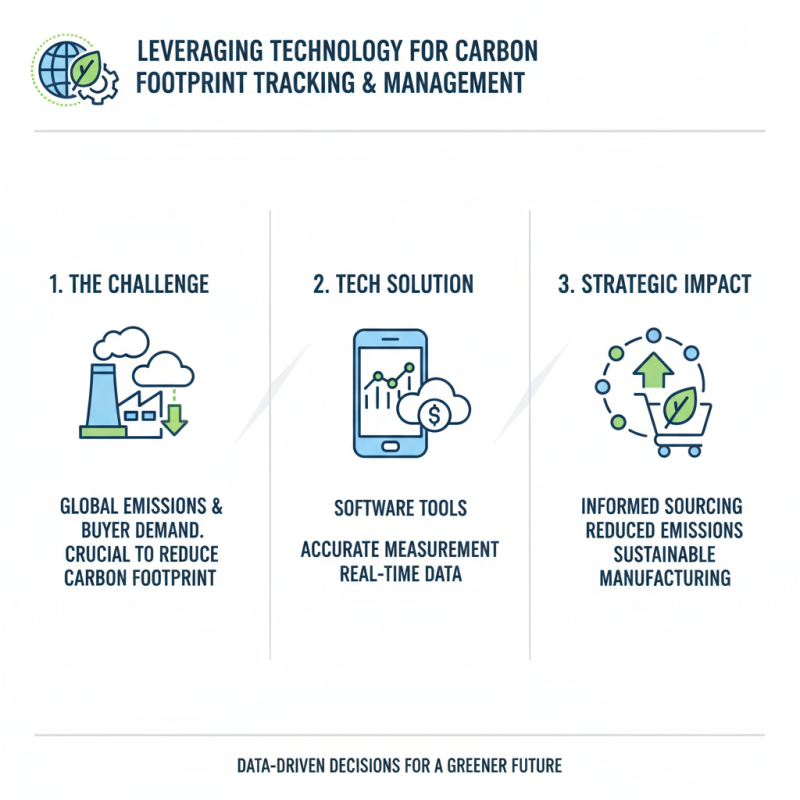
Understanding the sources of carbon emissions is crucial for global buyers. Transportation, manufacturing, and energy consumption contribute heavily to emissions. Evaluating these aspects can reveal efficiency gaps. Buyers often overlook the carbon footprint when selecting suppliers. A focus on emissions can lead to more sustainable practices. Many companies still struggle with transparency in their supply chains, making it hard to track environmental impact.
Innovative solutions can help mitigate these issues. Utilizing renewable energy in manufacturing can significantly cut emissions. Encouraging local sourcing reduces transportation distances and overall carbon output. Buyers must also push suppliers for clearer carbon reporting. Reflecting on existing practices is vital. Change begins when businesses recognize their role in the global emission problem.
Identifying Key Areas for Carbon Reduction in Procurement Processes
In today's global economy, procurement processes are significant contributors to carbon emissions. According to a study by The Carbon Trust, supply chain emissions account for up to 80% of a company's total carbon footprint. Recognizing this, global buyers must focus on key areas for carbon reduction.
One effective strategy is to engage suppliers in sustainability initiatives. Encouraging suppliers to adopt greener practices can lead to substantial reductions. For example, using life-cycle assessments can help buyers identify the most carbon-intensive components in their supply chains. Reports show that adopting renewable energy in manufacturing can reduce emissions by 30% or more over conventional methods.
Additionally, optimizing logistics plays a crucial role in reducing emissions. The World Economic Forum highlights that transportation can represent 20% of supply chain emissions. Coordinating shipments efficiently and utilizing low-emission vehicles can lead to significant gains. However, many companies struggle to implement these changes fully. There is often a lack of data transparency and collaboration among stakeholders, which poses challenges. Addressing these gaps will require ongoing effort and commitment from industry leaders.
Effective Ways to Reduce Carbon Emissions in Procurement Processes
Incorporating Sustainable Practices in Product Sourcing and Delivery
Sustainable practices in product sourcing are essential for buyers looking to reduce carbon emissions. Integrating eco-friendly materials and local suppliers can make a significant impact. For instance, using organic cotton or recycled plastics can decrease the carbon footprint. Sourcing products closer to the end consumer also reduces transportation emissions. Every mile counts when it comes to global shipping.
In delivery, adopting green logistics is crucial. Electric vehicles and optimized delivery routes can minimize emissions. Businesses can also switch to eco-friendly packaging. This not only reduces waste but also appeals to environmentally conscious consumers. However, challenges persist. Not all suppliers may offer sustainable options, and the cost can sometimes be higher.
Reflection is key for buyers. Are we prioritizing sustainability effectively? It’s important to continuously assess sourcing decisions and refine practices. Building partnerships with eco-conscious suppliers is essential. Striving for transparency in the supply chain can help identify areas needing improvement. The journey to greener sourcing requires ongoing effort and commitment.
Collaborating with Suppliers for Effective Emission Reduction Strategies
Collaborating with suppliers is key for global buyers aiming to reduce carbon emissions. According to a report by the Carbon Disclosure Project, about
70% of corporate emissions come from supply chains. Hence, engaging suppliers in sustainability discussions can significantly improve overall performance.
Effective collaboration starts with transparency. Buyers should share their sustainability goals with suppliers.
Setting measurable targets fosters accountability. For example, companies can aim for a 30% reduction in emissions within five years.
This aligns supplier practices with buyers' sustainability expectations.
Tip: Create a shared platform for tracking emission data. Regular updates can keep both parties aligned.
Buyers must also evaluate suppliers based on their carbon management practices. Industry leaders often require suppliers to disclose their emissions data.
Identifying low-carbon alternatives or renewable resources is crucial. Yet, many suppliers may not have the data needed to measure their improvement effectively.
Tip: Offer support and resources to help suppliers develop robust emission reduction plans.
Building partnerships requires effort but offers long-term benefits. Not every supplier will be on board initially.
Some may struggle with their own practices. Patience and persistent communication can lead to gradual improvements in their operations.
 Skip to content