Effective Ways to Reduce Carbon Emissions for a Sustainable Future
As the specter of climate change looms ever larger on the global horizon, the urgency to address carbon emissions has never been more pressing. Humanity's reliance on fossil fuels, deforestation, and industrial practices contributes significantly to greenhouse gas emissions, which trap heat in the atmosphere and lead to catastrophic environmental consequences. Thus, the exploration of effective ways to reduce carbon emissions becomes imperative for securing a sustainable future. Not only are these efforts crucial for combating climate change, but they also present opportunities for economic growth, innovation, and the enhancement of public health.
Implementing practical and achievable methods to decrease carbon emissions involves a multifaceted approach that spans various sectors including energy production, transportation, and agriculture. Individuals, businesses, and governments can contribute significantly by adopting practices such as transitioning to renewable energy sources, enhancing energy efficiency, and promoting sustainable transportation options. By identifying and pursuing effective ways to reduce carbon emissions, we can collectively make strides towards a cleaner, healthier planet. The transition towards a sustainable future is not merely a responsibility, but an opportunity to redefine how we coexist with our environment.

Understanding Carbon Emissions and Their Impact on Climate Change
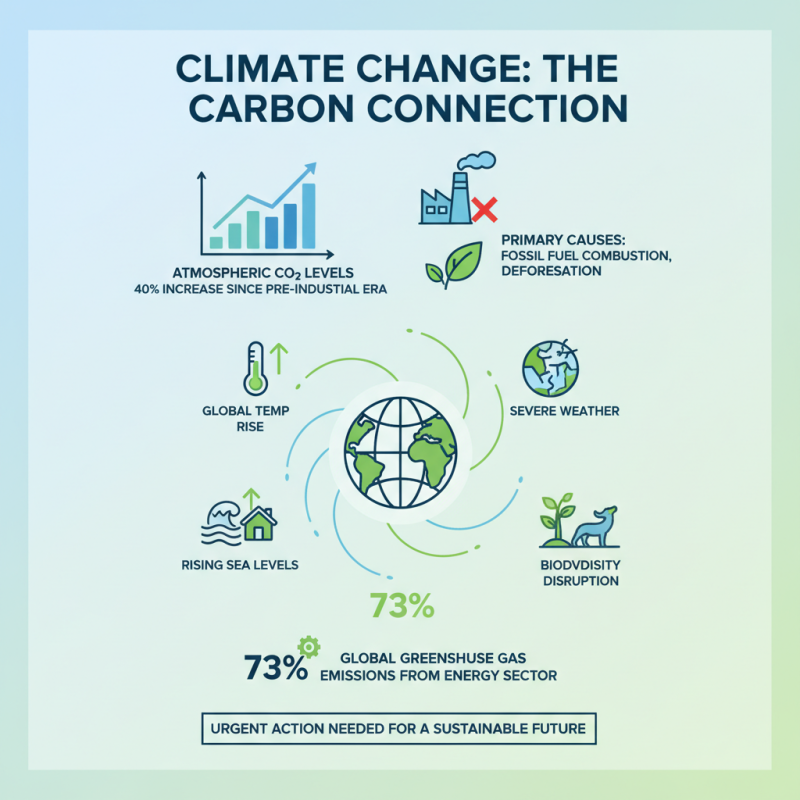
Carbon emissions are a significant contributing factor to climate change, impacting ecosystems and human health globally. According to the Intergovernmental Panel on Climate Change (IPCC), the levels of carbon dioxide (CO2) in the atmosphere have increased by more than 40% since the pre-industrial era, primarily due to fossil fuel combustion and deforestation. This rise in CO2 has led to an increase in Earth’s average temperature, causing severe weather patterns, rising sea levels, and disruptions to biodiversity. The World Resources Institute reports that the energy sector is responsible for approximately 73% of global greenhouse gas emissions, underscoring the need for urgent action.
To mitigate these effects, understanding the main sources of carbon emissions is essential. The transportation sector is one of the largest contributors, accounting for nearly 24% of global emissions. Transitioning to renewable energy sources and implementing energy efficiency measures in transportation can significantly lower these emissions. For instance, electric vehicles (EVs) can reduce lifecycle carbon emissions by up to 70% compared to traditional gasoline-powered cars, depending on the energy source for electricity. Additionally, adopting sustainable practices such as public transportation, cycling, and walking can further decrease carbon footprints and improve air quality. Advocating for policies that encourage renewable energy use and adopting cleaner technologies at both individual and industrial levels are critical steps toward achieving a sustainable future.
Identifying Key Sectors Contributing to Carbon Emissions
Identifying the key sectors contributing to carbon emissions is crucial for devising effective strategies to combat climate change. The energy sector remains the largest culprit, responsible for a significant portion of global carbon emissions. This includes fossil fuel combustion for electricity generation, which not only releases carbon dioxide but also other greenhouse gases. Transitioning to renewable energy sources such as solar, wind, and hydroelectric power can substantially reduce the carbon footprint of this sector. Additionally, improving energy efficiency in buildings and infrastructure plays a vital role in minimizing emissions.
Another major contributor to carbon emissions is the transportation sector. This includes emissions from cars, trucks, airplanes, and ships, which significantly impact urban air quality and overall greenhouse gas levels. Promoting public transportation, electric vehicles, and sustainable logistics solutions can help mitigate the environmental impact of this sector. Furthermore, enhancing fuel efficiency standards and encouraging alternative modes of transport, such as cycling and walking, are essential strategies to cut down on emissions. By focusing on these key sectors, targeted policies and innovations can pave the way for a sustainable future.
Carbon Emissions by Key Sectors in 2023
Innovative Technologies for Carbon Reduction in Industries
Innovative technologies play a crucial role in reducing carbon emissions across various industries. One of the most promising advancements is the implementation of carbon capture and storage (CCS) systems. These technologies can capture up to 90% of the carbon dioxide emissions produced from the use of fossil fuels in electricity generation and industrial processes, preventing it from entering the atmosphere. By integrating CCS into production methods, industries can significantly lower their carbon footprints while continuing to operate efficiently.
Another noteworthy innovation is the use of renewable energy sources, such as solar and wind power. By transitioning to these cleaner sources of energy, industries can drastically reduce their reliance on fossil fuels. Smart grid technology further enhances this shift by optimizing energy use and significantly minimizing waste. Encouraging energy efficiency through automation and real-time monitoring not only cuts down carbon emissions but also reduces operational costs.
Tips for reducing carbon emissions in industries include investing in energy-efficient appliances and machinery, promoting telecommuting to reduce commuting emissions, and encouraging employee awareness through sustainability programs. Additionally, industries should consider regular audits of their operations to identify areas where emissions can be further minimized. By adopting these practices and leveraging innovative technologies, businesses can pave the way toward a sustainable future.
Effective Ways to Reduce Carbon Emissions for a Sustainable Future
| Technology |
Industry |
Emission Reduction Potential (%) |
Implementation Cost ($/ton CO2) |
Current Adoption Rate (%) |
| Carbon Capture and Storage |
Power Generation |
90 |
50 |
20 |
| Renewable Energy Integration |
Manufacturing |
70 |
40 |
35 |
| Energy Efficiency Improvements |
Construction |
50 |
20 |
50 |
| Sustainable Transportation Solutions |
Transportation |
60 |
30 |
25 |
| Waste Management Innovations |
Waste Management |
40 |
25 |
30 |
Policy Frameworks and Regulations for Sustainable Emission Control
Creating effective policy frameworks and regulations is essential for controlling carbon emissions and fostering a sustainable future. A well-designed regulatory environment can incentivize businesses and individuals to adopt cleaner technologies and practices. Governments can implement carbon pricing mechanisms, such as cap-and-trade systems or carbon tax initiatives, which encourage industries to reduce their greenhouse gas emissions by monetizing the cost of carbon pollution. These financial repercussions can drive innovation and investment in renewable energy solutions, leading to a significant decrease in overall emissions.
Tips for effective policy formulation include engaging stakeholders from various sectors, such as businesses, environmental groups, and the community, to ensure diverse perspectives are considered. Additionally, setting clear, measurable targets allows for gauging progress and adjusting policies as needed. Governments should also facilitate research and development grants to promote the incubation of new technologies that can reduce emissions, creating a robust ecosystem for sustainability.
Incorporating regulations that require transparency in emissions reporting can empower consumers and investors to make more informed decisions. Mandatory sustainability assessments for industries can identify key areas for improvement, thereby enhancing accountability. By fostering a culture of compliance and collaboration, societies can not only meet their emission reduction goals but also promote a way of life that prioritizes environmental health and sustainability for generations to come.
Community Actions and Individual Choices to Lower Carbon Footprint
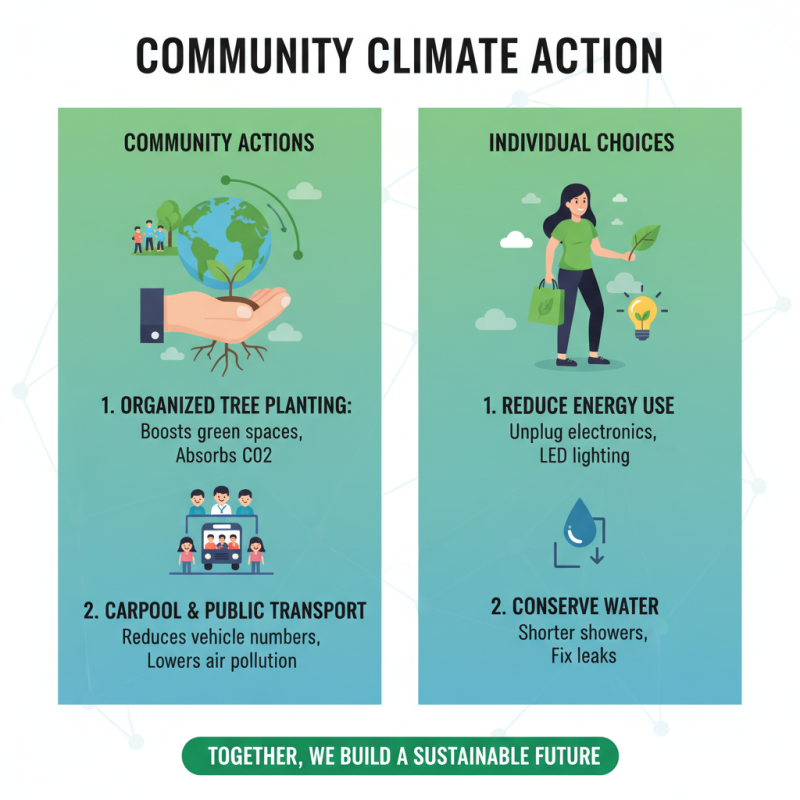
Community actions and individual choices play a pivotal role in reducing carbon emissions and fostering a sustainable future. One of the most effective ways communities can contribute is through organized tree planting initiatives. These activities not only enhance local green spaces but also absorb CO2, providing a natural buffer against climate change. Additionally, communities can promote carpooling programs and public transport usage, significantly decreasing the number of vehicles on the road and lowering air pollution.
On an individual level, making conscious choices in daily life can have a substantial impact. Opting for energy-efficient appliances and reducing electricity consumption by turning off lights when not in use can contribute to lower emissions. Furthermore, adopting a plant-based diet, even for a few days a week, can reduce the carbon footprint associated with meat production. By making small adjustments to lifestyle habits, individuals can collectively create a ripple effect that drives larger societal change towards sustainability.
 Skip to content