What is the Impact of Emissions Cost on Environmental Sustainability?
The rising costs of emissions play a crucial role in shaping environmental sustainability. Recent studies indicate that the global cost of carbon emissions could reach $100 per ton by 2030. This significant figure prompts businesses and governments to reconsider their environmental strategies. The financial burden of emissions cost impacts industries worldwide, altering manufacturing, transportation, and energy production practices.
Many companies grapple with integrating emissions costs into their operational budgets. For instance, the energy sector is under pressure to reduce fossil fuel dependence. Reports suggest that transitioning to renewable energy reduces long-term emissions costs. However, this shift is often slow and fraught with challenges. Companies may struggle to meet sustainability goals while managing economic constraints.
Moreover, there are disparities in emissions cost impacts across different regions and sectors. High-income countries can often afford cleaner technologies, leaving low-income countries at a disadvantage. This imbalance raises questions about fairness in the global approach to sustainability. It is essential to reflect on how emissions costs will shape our collective environmental future.
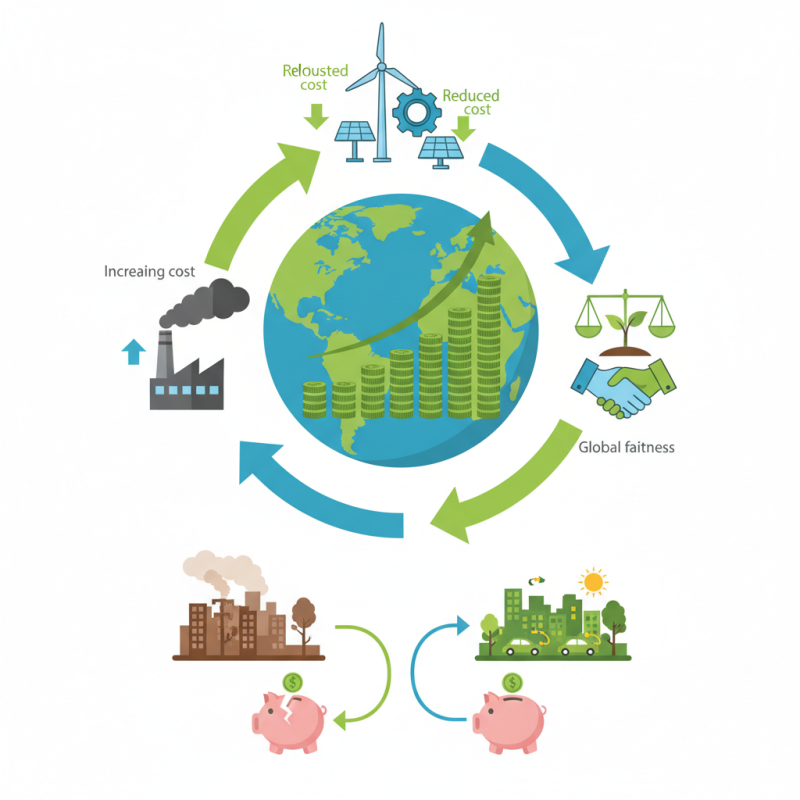
Emissions Cost: Definition and Components
Emissions cost plays a crucial role in environmental sustainability. It comprises various components, including carbon pricing, regulatory fees, and trading schemes. These elements aim to internalize the environmental costs of emissions. For example, carbon pricing can value a ton of CO2 emissions at around $50, according to reports from the World Bank. This valuation encourages companies to innovate and reduce their carbon footprint.
Regulatory fees are significant as they push industries to comply with environmental standards. The U.S. Environmental Protection Agency estimates that stricter regulations could cost industries up to $20 billion annually. While these costs drive progress, they can sometimes pose challenges for small businesses. They may struggle to afford compliance while competing with larger firms.
Moreover, emissions trading schemes can create a financial incentive for companies to lower emissions. The European Union's Emissions Trading System (ETS) has successfully reduced emissions by approximately 35% since its inception. However, some argue that the fluctuating market prices can lead to uncertainty, potentially hindering consistent environmental progress. Striking a balance between cost and sustainability remains a complex and ongoing challenge.
The Role of Emissions Pricing in Environmental Policy
Emissions pricing is a key tool in environmental policy. By putting a price on carbon, governments incentivize businesses to reduce emissions. For instance, a report from the International Carbon Action Partnership indicates that countries with carbon pricing schemes collectively reduced emissions by around 13% since 2015. This reduction while achieving economic growth shows a promising trend.
However, the impact of emissions costs is complex. Some argue that pricing alone isn't enough. A study by the World Resources Institute suggests that without accompanying regulations and initiatives, emissions pricing could inadvertently lead to job losses in certain sectors. Transitioning to a low-carbon economy requires careful planning.
**Tip:** Examine local policies and community impact. They often provide insights into effective emissions strategies. Encouragingly, the recent uptick in renewable energy investments hints at a more sustainable path forward. Still, some industries lag behind. This reveals the need for broader awareness and frameworks to truly advance environmental goals.
Assessing the Economic Impacts of Emissions Costs
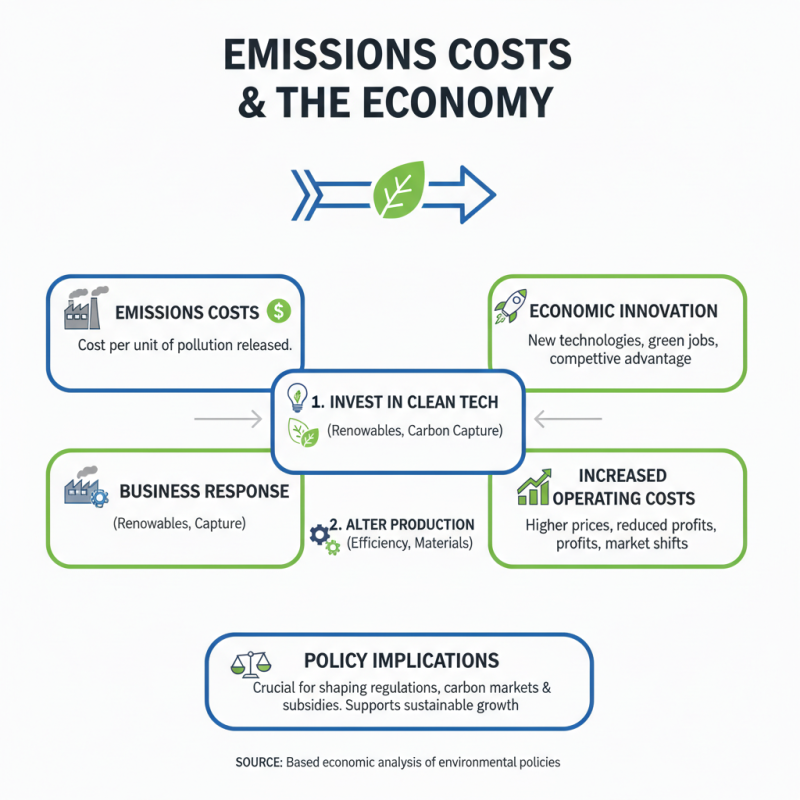
Understanding the economic impacts of emissions costs is crucial for shaping policies. When companies face emissions costs, their operational strategies often change. They might invest in cleaner technologies or alter production processes. This shift can drive innovation, but it may also lead to increased costs. Not all businesses are equipped to handle these expenses.
For some industries, the burden of emissions costs can be heavy. Small firms may struggle more than larger corporations. This disparity can lead to job losses in vulnerable sectors, causing economic strain on communities. Consumers may feel the impact too, with rising prices for goods and services. Such dynamics provoke questions about fairness and sustainability.
The potential for positive change exists. Emissions costs can encourage companies to pursue greener practices. However, the path isn’t straightforward. It requires careful planning and a focus on equity. Policymakers need to ensure that solutions don’t disproportionately affect certain groups. Finding common ground is not easy but is essential for long-term success.
Environmental Sustainability Metrics Affected by Emissions Costs
Emissions costs play a critical role in shaping environmental sustainability metrics.
These costs often reflect the price of pollution and resource depletion. When businesses factor in emissions costs,
their operational decisions shift. This can lead to the adoption of cleaner technologies and practices, which contribute
positively to sustainability.
However, the impact isn't always straightforward. Some companies might choose to absorb emissions costs rather than invest
in greener alternatives. This approach can delay significant environmental improvements. Moreover, not all metrics of
sustainability respond equally. Carbon intensity, waste management, and resource usage can show different trends based on
emissions costs.
The challenge lies in balancing economic viability with environmental responsibility. Many organizations still grapple with
this trade-off. More effort is needed to find effective ways to integrate emissions costs into sustainability strategies.
It’s crucial to reflect on how these costs are calculated and the broader effects they have. Achieving true sustainability
requires constant evaluation of these metrics.
Case Studies: Successful Emissions Cost Implementations and Outcomes
Emissions cost can drive significant changes in environmental policies. In one successful case, a city implemented a carbon pricing scheme. This led to a reduction in greenhouse gas emissions. Local businesses adjusted their practices to meet the new regulations. Many companies invested in cleaner technologies. This shift benefited both the economy and the environment.
However, the transition wasn't without challenges. Some businesses struggled with initial costs. Smaller enterprises felt the pressure the most. They faced tough decisions and often needed support. The case revealed that not all companies adapted equally. Those that did not make swift changes fell behind.
Another example is a country that aimed to reduce emissions through renewable energy investments. This nation witnessed a shift in its energy sector. Jobs in clean energy surged, but there were growing pains. Traditional energy workers faced layoffs. Balancing economic growth and sustainability proved complex. The path forward requires careful planning and collaboration.
Impact of Emissions Cost on Environmental Sustainability
This chart demonstrates the impact of emissions cost over the years on the reduction of CO2 emissions. As emissions costs increase, we can observe a significant decline in emissions, indicating a positive trend toward environmental sustainability.
 Skip to content