Top 10 Low Emissions Technologies Changing Our Future?
The world is facing a critical challenge: climate change. As temperatures rise and natural disasters increase, the push for low emissions technologies becomes vital. These technologies promise to reshape industries and daily lives, reducing our carbon footprint significantly.
Several emerging innovations stand out. Electric vehicles reduce air pollution and dependency on fossil fuels. Renewable energy sources, like solar and wind, offer clean alternatives. However, adoption can be slow and expensive, raising questions about accessibility.
As we explore the top 10 low emissions technologies, it's essential to acknowledge their potential and limitations. Each innovation brings hope but also challenges. For instance, battery production for electric cars can have environmental impacts. The transition to low emissions is a complex journey that requires our cooperation and commitment.
The Role of Renewable Energy Sources in Achieving Low Emissions Goals
Renewable energy sources play a critical role in achieving low emissions goals. Recent reports indicate that electricity generated from renewable sources reached 29% of global electricity in 2020. This figure is expected to increase significantly by 2030. Solar and wind energy are leading in this shift, making sustainable energy more accessible than ever. However, challenges still exist. Storage technology for renewables is not yet fully optimized, leading to energy waste during peak production times.
Investment in renewable technologies is vital. According to the International Energy Agency (IEA), the investment needed for renewables must triple to combat climate change. While the growth in solar capacity is promising, disparities in access remain. Some regions still rely heavily on fossil fuels. This dependence hinders overall emissions reduction efforts.
Moreover, public awareness and policy frameworks need improvement. Citizens often express support for renewable energy but may be unaware of the specific actions they can take. Governments must provide clearer guidelines and incentives. This will help both individuals and businesses transition to greener options. A multifaceted approach is necessary. Only then can we genuinely embrace renewable energy's potential to drive down emissions and create a sustainable future.
Top 10 Low Emissions Technologies Changing Our Future
Advancements in Battery Technology and Energy Storage Solutions
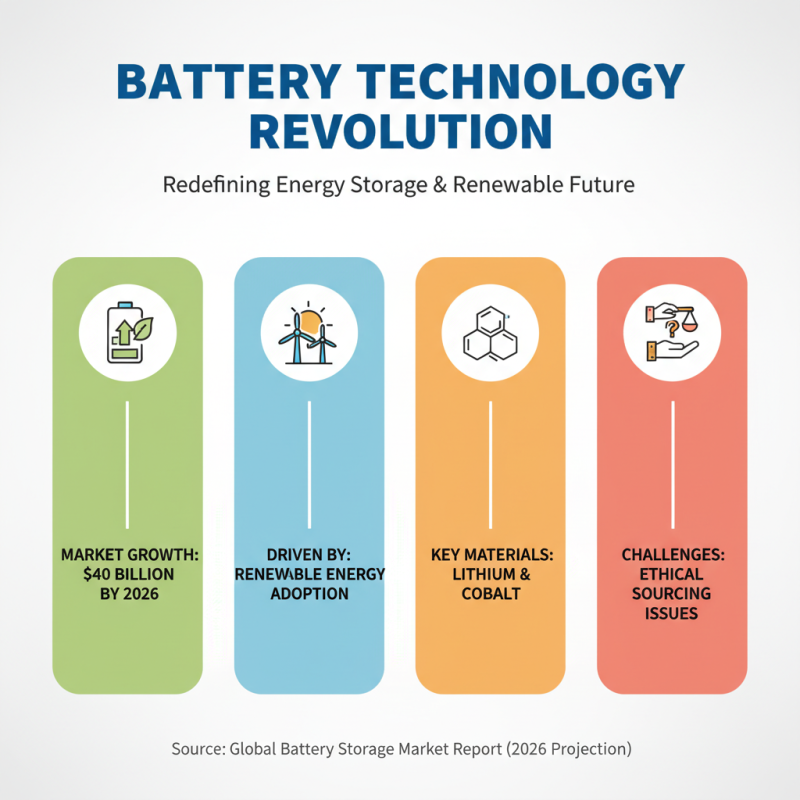
Advancements in battery technology are redefining energy storage solutions. The global battery storage market is projected to grow to $40 billion by 2026. This significant growth reflects the push for renewable energy sources. However, challenges remain in the materials needed for production. Many batteries rely on lithium and cobalt, which pose ethical sourcing issues.
Innovations like solid-state batteries promise higher energy densities and improved safety. Solid-state batteries can potentially deliver double the energy density of conventional lithium-ion technologies. This could lead to longer-lasting electric vehicles and more efficient grid storage. Despite the promise, the manufacturing process for solid-state batteries is still costly and complex.
Energy storage systems are crucial for balancing supply and demand. A report by the International Renewable Energy Agency (IRENA) highlights that energy storage capacity must increase six-fold by 2030 to meet global energy targets. Yet, many companies are struggling with scalability. As we innovate, the sustainability and sourcing of materials must be prioritized. The industry has a long way to go in addressing these concerns.
The Impact of Electric Vehicles on Urban Emissions Reduction
Electric vehicles (EVs) are reshaping urban environments. They significantly cut down air pollution in cities. Many studies show that EVs can reduce CO2 emissions. With fewer gas vehicles, urban air quality drastically improves. However, the transition is not smooth for everyone.
Infrastructure changes are often slow. Charging stations are still scarce in many areas. This limits the widespread adoption of EVs. Additionally, electric vehicles require sustainable energy sources. If cities rely on fossil fuels for charging, the emissions benefits diminish.
Public perception also plays a role. Some individuals still favor traditional vehicles due to familiarity. Education about EV benefits is essential. Misunderstandings about usage and maintenance need addressing. The shift towards electric mobility is promising, but it is fraught with challenges. Each city must navigate its unique obstacles.
Carbon Capture Utilization and Storage: Innovations in Industrial Processes
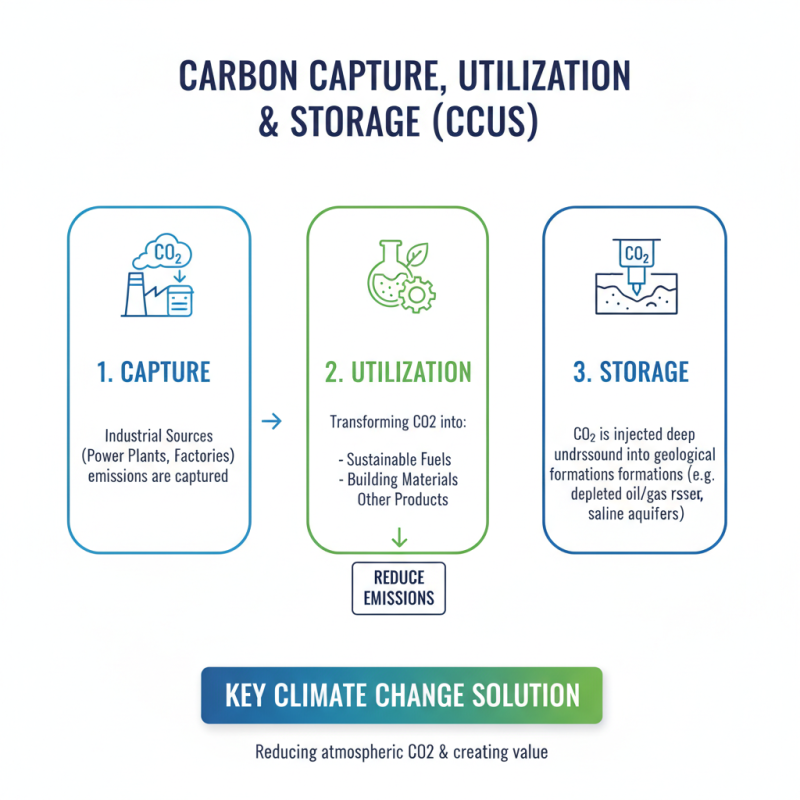
Carbon Capture Utilization and Storage (CCUS) is emerging as a crucial technology in the fight against climate change. This innovative process captures carbon dioxide emissions from industrial sources. It then either stores the captured gas underground or utilizes it for various applications. For instance, captured CO2 can be transformed into useful products like fuels or construction materials. Such practices present an exciting avenue for reducing emissions.
However, implementing CCUS presents challenges. Many industrial plants are not fully equipped to adapt to this technology. The costs of installation and maintenance can be high. Additionally, the long-term storage of carbon raises questions about safety and monitoring. Some fear that reliance on CCUS might lead to complacency in reducing emissions elsewhere.
Despite these hurdles, the potential of CCUS is undeniable. It could significantly decrease the carbon footprint of heavy industries. Rethinking industrial processes to incorporate CCUS can lead to a more sustainable future. Continued innovation and investment are critical to overcoming existing barriers and realizing its full potential. Each step forward is essential, but it also carries the weight of ensuring we don’t overlook fundamental changes needed in production methods.
Smart Grid Technology: Enhancing Efficiency and Reducing Emissions
Smart grid technology represents a significant shift in energy management. It enhances efficiency by integrating advanced digital communications. This allows for real-time monitoring and management of energy flow. As a result, energy loss becomes minimized. Homes and businesses can track their usage better, thereby optimizing consumption.
However, the transition to smart grids is not without challenges. Installing the necessary infrastructure requires substantial investment. Many neighborhoods still rely on outdated systems. There is also the question of data security. As grids become smarter, they become more vulnerable to cyber threats. Addressing these concerns is essential for widespread adoption.
Despite its potential, public awareness remains low. Many individuals are unaware of how smart grids can reduce emissions. Education is crucial for encouraging acceptance. Communities need to engage in discussions about these technologies. With proper outreach, the benefits of smart grid technology can be realized. This is a crucial step towards a sustainable future.
 Skip to content