Top 10 Ways to Lower Carbon Emissions for a Sustainable Future
As the world grapples with the urgent need to combat climate change, the focus on strategies to lower carbon emissions has never been more critical. Renowned environmental scientist Dr. Emily Carter emphasizes, "Lowering carbon emissions is not merely an option; it is an imperative for sustainable development and the preservation of our planet." Her insights shed light on the growing consensus among experts that immediate action is necessary to reduce our carbon footprint and pave the way for a healthier future.
In light of the escalating environmental crisis, individuals and organizations alike are seeking effective ways to lower carbon emissions. From adopting renewable energy sources to enhancing energy efficiency in homes and businesses, the methods are varied and impactful. Each small effort contributes to a larger collective change, illustrating that sustainability is achievable when combined with innovative approaches and community involvement.
This article will explore the top ten strategies that individuals and businesses can implement to lower carbon emissions. By embracing these practices, we take significant strides toward a sustainable future, ensuring that generations to come will inherit a planet that is not only livable but thrives with biodiversity and clean air.

Understanding Carbon Emissions and Their Impact on Sustainability
Understanding carbon emissions and their impact on sustainability is crucial for building a greener future. Carbon emissions primarily come from fossil fuel combustion, deforestation, and various industrial processes. These emissions trap heat in the atmosphere, contributing to global warming and climate change, which severely impact ecosystems, weather patterns, and human health. By addressing carbon emissions, we can mitigate these adverse effects and promote a more sustainable way of life.
Tips for reducing carbon emissions include incorporating renewable energy sources into daily life, such as solar or wind power. Switching to energy-efficient appliances and reducing energy consumption in homes can lead to significant decreases in carbon footprints. Another practical approach is to prioritize public transportation, cycling, or walking over driving; this not only lowers emissions but also enhances personal well-being.
Additionally, individuals can support sustainable practices by reducing waste and embracing a circular economy. Simple tasks like recycling, composting organic waste, and reducing single-use plastics help minimize the demand for new materials, subsequently lowering carbon emissions associated with production and disposal. Making conscious choices in consumption and lifestyle can collectively pave the way toward a sustainable future.
Top 10 Ways to Lower Carbon Emissions for a Sustainable Future
| Strategy |
Potential Carbon Reduction (Metric Tons CO2/year) |
Cost Savings ($/year) |
Implementation Difficulty (1-5) |
| Energy Efficiency Upgrades |
1500 |
$3,000 |
3 |
| Renewable Energy Installation |
2000 |
$4,500 |
4 |
| Sustainable Transportation Practices |
1200 |
$2,000 |
2 |
| Waste Reduction Initiatives |
800 |
$1,500 |
3 |
| Carbon Offsetting Programs |
1000 |
N/A |
1 |
| Promoting Remote Work |
600 |
$1,200 |
2 |
| Using Energy-efficient Appliances |
700 |
$1,000 |
3 |
| Increasing Recycling Rates |
500 |
$800 |
2 |
| Support Local Agriculture |
400 |
$600 |
3 |
| Planting Trees |
900 |
N/A |
1 |
Switching to Renewable Energy Sources for Reducing Emissions
Switching to renewable energy sources is a pivotal strategy in the fight against climate change and for reducing carbon emissions.
According to the International Renewable Energy Agency (IRENA), transitioning to renewables could lead to a significant reduction in greenhouse gas emissions; it estimates that
doubling the share of renewable energy in the global energy mix could cut emissions by up to 70% by 2050. This shift is essential as fossil fuels continue to be the primary source of global energy,
contributing significantly to air pollution and climate change.
In addition to the environmental benefits, switching to renewable energy sources can also drive economic growth.
A report by the International Energy Agency (IEA) indicates that investments in renewable energy technologies and infrastructure could create
millions of jobs globally. Moreover, the decreasing cost of solar and wind technologies—up to
80% for solar and 50% for wind in the last decade—makes these options increasingly viable for both developed and developing countries alike.
By prioritizing renewables, nations can foster energy independence, stabilize energy prices, and ensure a more sustainable and environmentally friendly future.
Increasing Energy Efficiency in Homes and Businesses
Increasing energy efficiency in homes and businesses is a crucial step towards lowering carbon emissions and fostering a sustainable future. According to the International Energy Agency (IEA), buildings account for approximately 36% of global energy use and around 39% of energy-related CO2 emissions. By implementing energy-efficient practices and upgrades, significant reductions in both energy consumption and carbon footprint can be achieved. For instance, the U.S. Department of Energy reports that improving home insulation and utilizing energy-efficient appliances can reduce energy bills by up to 30%, translating into reduced greenhouse gas emissions.
Moreover, businesses can greatly benefit from energy-efficient strategies as well. The Global Buildings Performance Network estimates that enhancing energy efficiency in commercial facilities can lead to savings of approximately $1 trillion annually worldwide. This not only lowers operational costs for businesses but also significantly contributes to climate goals. Simple measures such as installing LED lighting, optimizing HVAC systems, and using smart building technologies can dramatically cut energy waste. Investing in energy efficiency not only demonstrates corporate responsibility but also positions businesses as leaders in the transition to a low-carbon economy.
Promoting Sustainable Transportation Alternatives
Promoting sustainable transportation alternatives is crucial for reducing carbon emissions and fostering a greener future. One effective method is to encourage the use of public transportation, which significantly lowers the number of individual vehicles on the road. By enhancing the efficiency, reliability, and accessibility of buses, trains, and other forms of mass transit, cities can make it a more attractive option for commuters. Additionally, promoting affordable or even free transit options can incentivize more people to leave their cars behind, resulting in decreased congestion and lower greenhouse gas emissions.
Another vital aspect of sustainable transportation is the promotion of non-motorized commuting options such as cycling and walking. Developing dedicated bike lanes and pedestrian-friendly infrastructure can encourage individuals to choose these healthier and more environmentally friendly modes of transport. Moreover, cities can implement bike-sharing programs that provide convenient access to bicycles for short trips. As more individuals adopt cycling or walking as their primary means of getting around, the emissions from personal vehicles will significantly decline, contributing to cleaner air and a healthier urban environment. Integrating these alternatives into daily life paves the way for a more sustainable transportation landscape and helps combat climate change effectively.
Encouraging Carbon Offsetting and Reforestation Initiatives
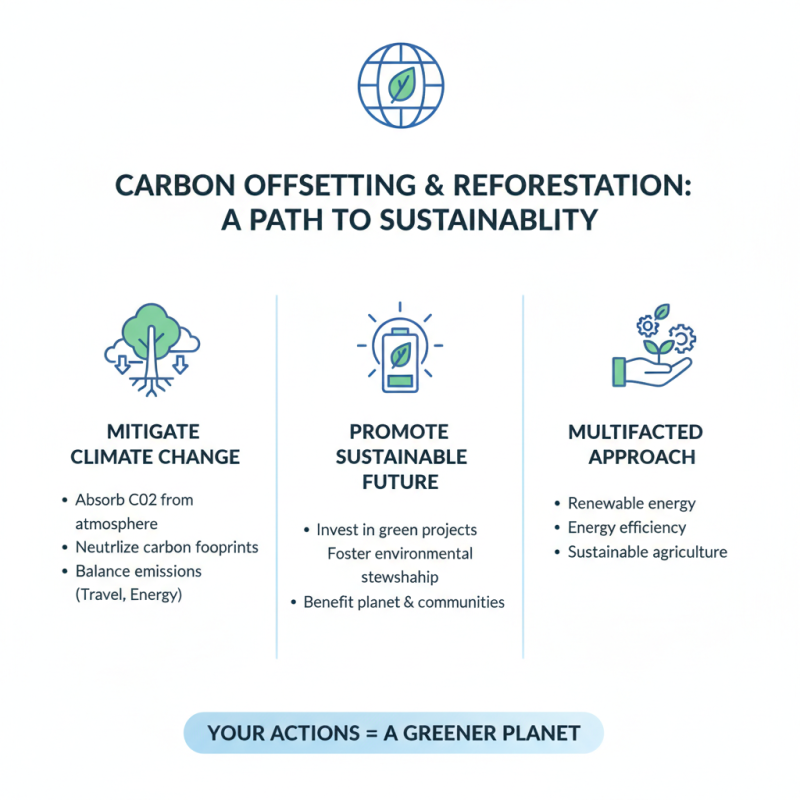
Carbon offsetting and reforestation initiatives are essential strategies for mitigating climate change and promoting a sustainable future. By investing in projects that absorb carbon dioxide from the atmosphere, individuals and organizations can neutralize their carbon footprints. This approach not only helps balance out emissions from activities such as travel and energy consumption but also fosters environmental stewardship. Carbon offsetting programs often support renewable energy, energy efficiency, and sustainable agriculture, creating a multifaceted approach to sustainability that benefits both the planet and local communities.
Reforestation initiatives further enhance these efforts by restoring vital ecosystems that have been damaged or depleted. Planting trees provides a natural mechanism for carbon sequestration, as trees capture and store carbon throughout their lifespans. Beyond their role in combating climate change, forests support biodiversity, protect watersheds, and provide livelihoods for many communities. Engaging in and promoting reforestation projects cultivates a collective responsibility for our shared environment, encouraging individuals and businesses to contribute to a greener, more sustainable future. Together, these initiatives empower action against climate change and draw attention to the importance of conservation efforts in maintaining the health of our planet.
 Skip to content