What is Manufacturing Sustainability and Why Does It Matter?
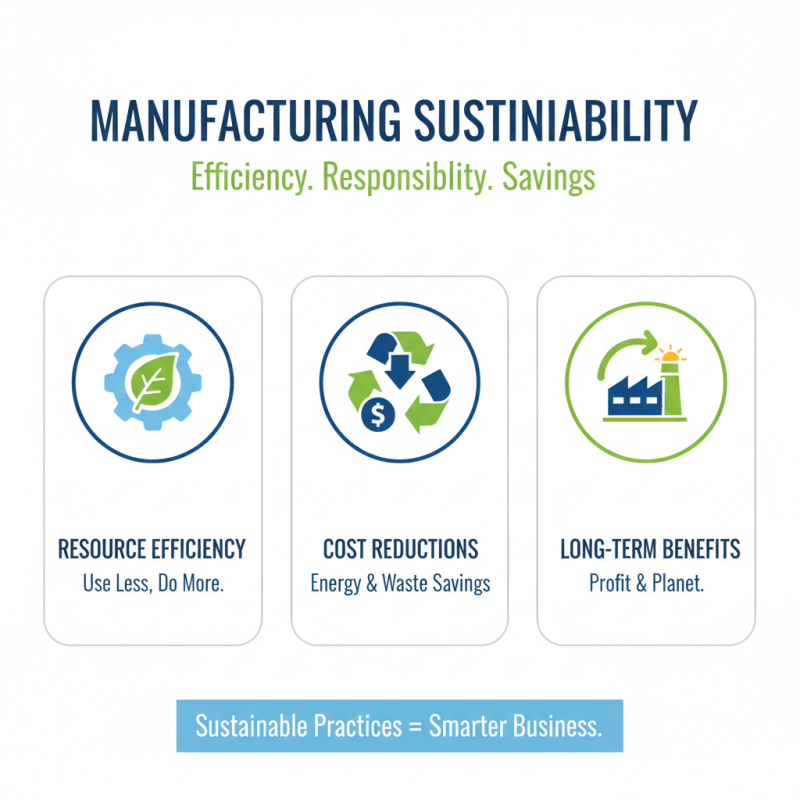
Manufacturing sustainability is crucial in today’s industrial landscape. It refers to practices that balance economic growth, environmental stewardship, and social responsibility. The global manufacturing sector is responsible for about 20% of greenhouse gas emissions. This statistic highlights the urgency for change. Many manufacturers are under pressure to adopt sustainable practices.
Reports show that companies focusing on sustainability can improve efficiency by 30%. This significant gain can translate into substantial cost savings. However, there are challenges. Transitioning to sustainable methods can be resource-intensive and complex. Many firms struggle with initial investments and restructuring.
Despite potential benefits, the discourse around manufacturing sustainability often lacks depth. Not all businesses prioritize sustainability equally. There is a gap between intent and implementation. Future success in manufacturing will depend on genuine commitment to sustainable practices. Reflection on these issues is necessary for progress.
Definition of Manufacturing Sustainability and Its Key Principles
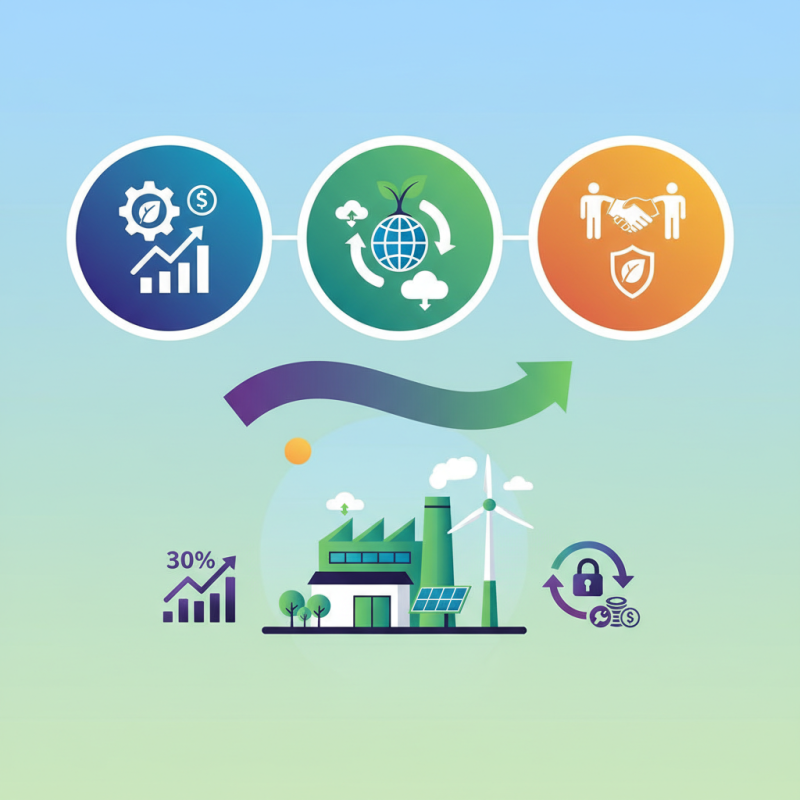
Manufacturing sustainability refers to practices that minimize environmental impact while fostering economic growth. This approach looks beyond mere compliance with regulations. It integrates social responsibility and aims for long-term viability. Key principles include reducing waste, energy efficiency, and sustainable sourcing of materials. Companies must constantly evaluate their processes.
A focus on resource efficiency can lead to cost savings. However, many manufacturers struggle to implement these principles fully. Lack of awareness can hinder improvement. Additionally, some businesses overlook the importance of employee engagement. When workers participate in sustainability initiatives, they can offer valuable insights. This collaboration often yields better results.
Sustainable manufacturing also emphasizes the life cycle of products. This encompasses design, production, and end-of-life phases. There’s a push for circular economy practices, where materials are reused. But transitioning to these systems isn't always smooth. Many companies face infrastructure limitations. Addressing these challenges is crucial for meaningful change.
The Importance of Manufacturing Sustainability in Today’s Economy
Manufacturing sustainability is crucial in today’s economy. As industries face rising environmental concerns, they must adapt. Sustainable practices reduce waste and energy use. Companies that prioritize sustainable methods often see increased efficiency. This shift can lead to reduced costs over time.
One tip for achieving sustainability is to audit current practices. Identify areas of waste. This can reveal surprising inefficiencies. For example, simple changes in material sourcing can enhance sustainability. It's not always about major overhauls. Small adjustments often lead to significant results. Engage employees in the process. Their insights can highlight further improvements.
Sustainability also promotes innovation. Companies can explore alternative materials or processes. This can create new markets. However, the transition isn't always smooth. Mistakes may happen, and learning from them is vital. Reflection is key to refining practices. It's about making progress, not perfection.
What is Manufacturing Sustainability and Why Does It Matter?
| Sustainability Aspect |
Description |
Importance |
Impact on Economy |
| Energy Efficiency |
Reducing energy consumption in manufacturing processes. |
Lower operational costs and reduced carbon footprint. |
Promotes green technology and job creation in energy sectors. |
| Waste Reduction |
Minimizing waste generation during manufacturing. |
Saves disposal costs and conserves resources. |
Increases efficiency and reduces raw material costs. |
| Sustainable Sourcing |
Using materials that are renewable or sustainably sourced. |
Supports ethical practices and protects ecosystems. |
Enhances market competitiveness and brand reputation. |
| Supply Chain Transparency |
Ensuring clear and responsible sourcing through the supply chain. |
Builds consumer trust and accountability. |
Strengthens economic resilience and compliance. |
| Circular Economy |
Implementing processes where materials are reused and recycled. |
Promotes resource efficiency and reduces waste. |
Drives innovation and opens new business models. |
Environmental Impact of Unsustainable Manufacturing Practices
Manufacturing practices that neglect sustainability have severe environmental consequences.
Polluted water bodies and barren landscapes are just the tip of the iceberg.
When factories release waste into rivers, aquatic life suffers. The repercussions can spread to communities relying on these water sources for drinking and agriculture.
Unsustainable manufacturing also contributes to increased carbon emissions.
These emissions are a significant factor in global warming. Factories that depend on fossil fuels emit high levels of greenhouse gases.
As temperatures rise, we witness unpredictable weather patterns and natural disasters. This situation prompts a critical need for reflection.
In the quest for efficiency, many manufacturers overlook the long-term effects.
High production rates often lead to resource depletion.
This mindset only accelerates the depletion of forests and minerals. Every choice made in manufacturing carries weight.
The question remains: how can we balance progress with environmental responsibility?
Strategies for Implementing Sustainable Practices in Manufacturing
Manufacturing sustainability is no longer an option; it's a necessity. As companies face calls to reduce their environmental impact, implementing sustainable practices becomes vital. A recent report from the World Economic Forum highlights that sustainable manufacturing can reduce carbon emissions by up to 30% within five years. However, many manufacturers struggle to find effective strategies.
One approach is to adopt energy-efficient technologies. Installing LED lighting and optimizing machinery can lead to significant energy savings. It’s essential to regularly audit energy use. Identifying hotspots can reveal easy opportunities for improvement.
Tips:
Engage employees in energy-saving practices. When everyone participates, the impact grows.
Another strategy is waste reduction. The Ellen MacArthur Foundation states that adopting circular economy principles can save the industry over $1 trillion annually. However, transitioning is often slow. Many firms still rely on linear models. Exploring recycling options and reusing materials will help.
Tips:
Start small. Focus on a single product line or process. Gradually expand successful practices across the organization.
Benefits of Manufacturing Sustainability for Businesses and Society
Manufacturing sustainability is crucial for today’s businesses and society. It means using resources efficiently and responsibly. Companies that embrace sustainable practices often see cost reductions. For instance, energy-efficient machinery can lower utility bills. Waste reduction techniques can decrease disposal costs, saving money in the long run.
On the societal level, sustainable manufacturing promotes better health. Factories that minimize emissions contribute to cleaner air and a healthier community. It helps create jobs that focus on green technologies. However, the transition to sustainability can be challenging. Many businesses face high initial costs. They often struggle with the logistics of updating processes. This can lead to hesitation in embracing change.
Yet, the benefits are clear. Companies that lead in sustainability can gain customer loyalty. Consumers increasingly prefer brands that align with their values. This shift in preference presents an opportunity for businesses willing to adapt. The road to sustainability is complex and requires commitment. It’s not just about profits; it's about leaving a positive legacy for future generations.
 Skip to content