10 Tips for Maximizing Your Carbon Savings Today
In our rapidly changing world, maximizing your carbon savings is crucial. Every action we take impacts the environment. Small choices in our daily lives can lead to substantial benefits. Consider how your habits contribute to carbon emissions. It’s not always easy to change, but every effort counts.
How much water do you waste when washing dishes? Or how often do you leave lights on? By reflecting on these details, we can identify areas for improvement. There’s no perfect method to achieve carbon savings. Each person’s lifestyle presents unique challenges. Yet, awareness can empower you to make better decisions.
By implementing simple, effective changes, you can contribute to a healthier planet. It’s not about perfection; it’s about progress. Start small, and over time, these adjustments add up. With commitment, we can collectively reduce our carbon footprint. Let’s explore practical tips for maximizing your carbon savings today.

Understanding Your Carbon Footprint and Its Impact on the Environment
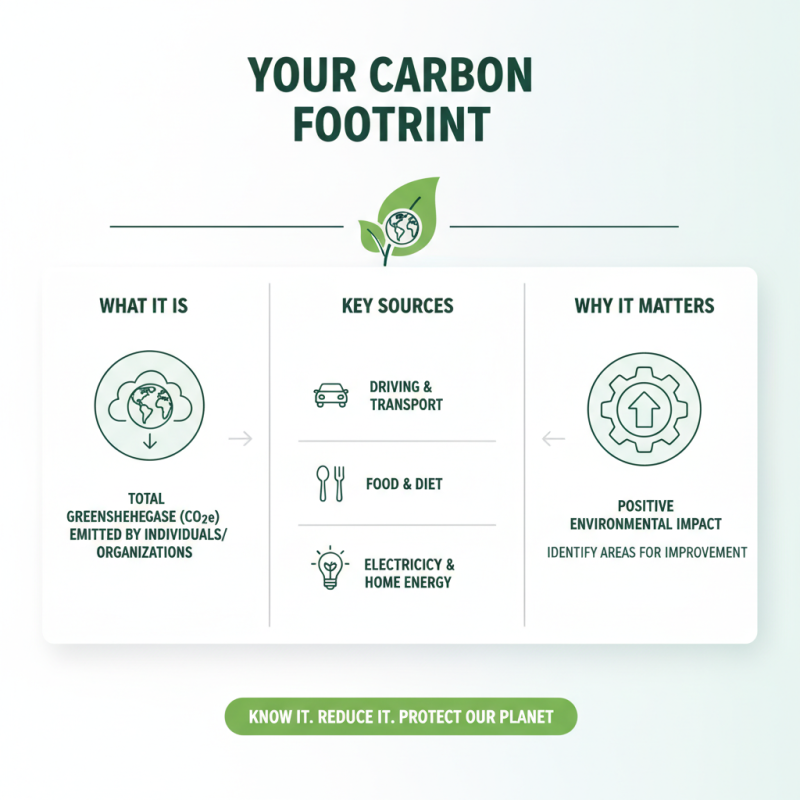
Understanding your carbon footprint is crucial for making a positive environmental impact. A carbon footprint measures the total greenhouse gases, primarily carbon dioxide, that individuals and organizations produce. It includes emissions from daily activities like driving, eating, and using electricity. By assessing these factors, you can identify significant areas for improvement.
Many people underestimate their personal impact. For example, choosing a car over public transport can lead to higher emissions. Eating less meat also contributes to lower carbon levels, as livestock farming is resource-intensive. While it’s easy to overlook these choices, reflecting on them can lead to changes. Smaller adjustments, such as reducing energy consumption at home, can also be tailored to your lifestyle.
Engaging with your community is another effective strategy. Sharing ideas with neighbors can raise awareness. However, it’s important to note that change takes time; not everyone may be ready to adopt these practices. Recognizing this can help foster patience and persistence in your efforts. Making informed decisions today can lead to a healthier planet tomorrow.
Implementing Energy-Efficient Practices in Your Daily Routine
Implementing energy-efficient practices in daily life can significantly cut carbon emissions. A report from the International Energy Agency states that energy efficiency improvements could lead to emissions reductions of more than 30% by 2030. Small changes at home can add up quickly. For instance, switching to LED bulbs can save up to 75% of energy compared to traditional incandescent bulbs.
Additionally, adjusting thermostat settings can save substantial energy. For every degree you lower your thermostat in winter, you might save up to 3% on heating costs. Many overlook the power of unplugging devices. Electronics consume energy even when off. By unplugging chargers and appliances, you could save about 10% on your monthly electric bill.
It’s also worth noting that travel habits contribute to carbon footprints. Choosing public transport over driving can reduce emissions significantly. According to the American Public Transportation Association, shifting to public transport can save over 4,800 pounds of carbon dioxide per person each year. Even small decisions, like carpooling, matter. They may feel inconvenient but can yield substantial long-term benefits. Reflecting on these choices daily can lead to notable carbon savings.
Choosing Sustainable Transportation Options to Reduce Emissions
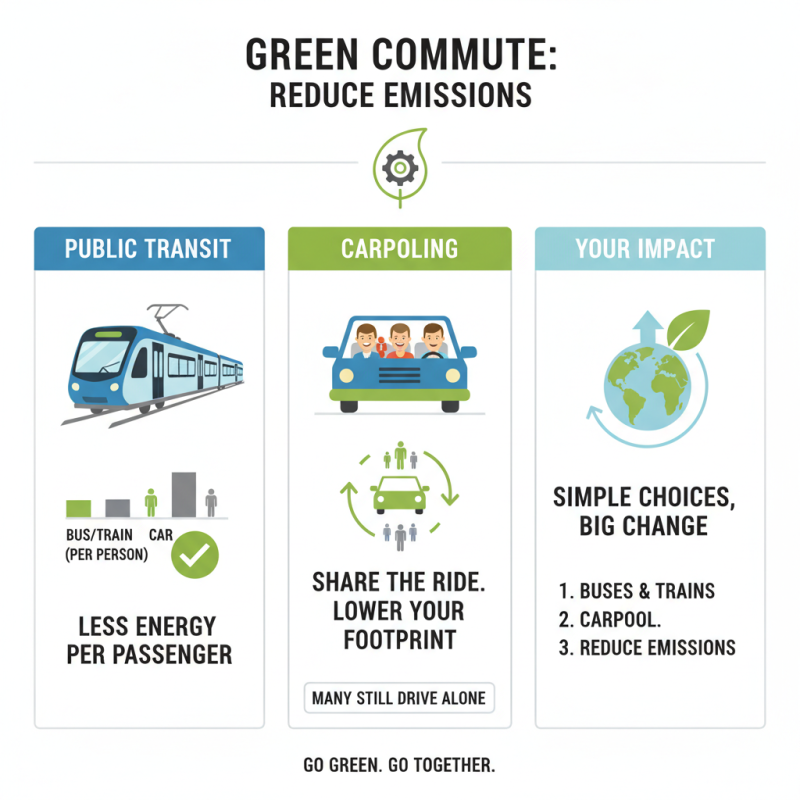
Choosing sustainable transportation options is a powerful way to reduce emissions. Public transit is an effective choice. Buses and trains use less energy per passenger compared to cars. Even carpooling can significantly lower your carbon footprint. It’s simple, yet many still drive alone.
Biking is another great option, especially for short trips. It promotes health and reduces traffic congestion. Walking is equally rewarding. It's free, and it allows you to connect with your surroundings. Yet, not everyone feels comfortable biking or walking due to safety concerns or lack of infrastructure.
Electric vehicles (EVs) offer a way to drive sustainably, but they aren’t perfect. Charging stations can be scarce in certain areas, and manufacturing EVs still has environmental costs. The enthusiasm around EVs is commendable, but we must also be realistic. Are we ready to fully embrace these changes? Every choice counts. Making small shifts in how we travel can lead to significant savings in carbon emissions.
Adopting a Plant-Based Diet for Greater Carbon Savings
Adopting a plant-based diet can dramatically reduce your carbon footprint. Many people don’t realize that animal agriculture is a significant greenhouse gas emitter. A single meal containing meat often has a much higher carbon cost than a plant-based alternative. For instance, beef production requires vast amounts of water and generates substantial methane emissions. These facts might shock you, but they are crucial for understanding our impact on the planet.
Transitioning to plant-based meals is not always easy. We have habits and traditions tied to our food choices. However, simple swaps can be rewarding. Try replacing meat with beans or lentils in your favorite dishes. Explore seasonal vegetables that are locally sourced. They often have a smaller carbon footprint. It’s crucial to give yourself grace during this journey. It’s okay to take small steps. Every little change counts, and reflecting on your progress is important. By embracing this lifestyle, you contribute to a sustainable future, even if the transition feels challenging at times.
10 Tips for Maximizing Your Carbon Savings Today - Adopting a Plant-Based Diet for Greater Carbon Savings
| Tip |
Carbon Savings (kg CO2e/year) |
Description |
| 1. Reduce Red Meat Consumption |
500 |
Swapping red meat for plant-based proteins. |
| 2. Choose Seasonal Vegetables |
200 |
Eating locally grown, seasonal vegetables. |
| 3. Minimize Processed Foods |
300 |
Reducing packaged and processed foods. |
| 4. Start Cooking at Home |
400 |
Preparing meals at home with fresh ingredients. |
| 5. Implement Meatless Mondays |
150 |
Setting aside one day a week for plant-based meals. |
| 6. Opt for Plant-Based Dairy Alternatives |
350 |
Replacing cow's milk with almond, soy, or oat milk. |
| 7. Advocate for Sustainable Practices |
250 |
Supporting local farms and sustainable agriculture. |
| 8. Use Reusable Containers |
100 |
Reducing single-use plastic with reusable options. |
| 9. Grow Your Own Vegetables |
50 |
Starting a vegetable garden at home. |
| 10. Educate Others |
200 |
Spreading awareness about carbon savings and diets. |
Supporting Local and Eco-Friendly Products to Lower Carbon Impact
Supporting local and eco-friendly products is a vital step to lower your carbon impact. According to a recent report from the Environmental Protection Agency, locally sourced food can reduce greenhouse gas emissions by up to 50%. This is mainly due to shorter transportation distances. When you choose local, you support nearby farmers and reduce the energy-intensive supply chains.
Tip: Buy from local farmers' markets. Fresh produce has a lower carbon footprint compared to imported goods. Additionally, look for stores that prioritize sustainable products. These choices not only benefit the environment but also contribute to the local economy.
Opting for eco-friendly products can further amplify your carbon savings. Consider products that use sustainable materials or that have minimal packaging. The Natural Marketing Institute reports that more than 66% of consumers are willing to spend more on sustainable products. However, it’s important to be critical of labels. Not all products that claim to be “green” truly are.
Tip: Read product labels carefully. Use apps that analyze sustainability ratings. Awareness leads you to make informed choices that genuinely reduce carbon emissions. Remember, every small action counts. Evaluate your purchases and ask yourself: “Is this really eco-friendly?” Each decision has an impact.
 Skip to content