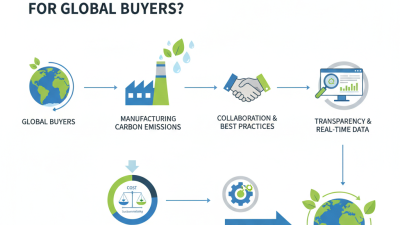
How to Reduce Carbon Emissions in Global Procurement?
In today’s world, reducing carbon emissions is crucial for sustainable development. Global procurement plays a significant role in driving these emissions. Businesses must acknowledge their impact on the environment. Procurement decisions can either exacerbate or alleviate the carbon footprint.
Many companies overlook the carbon emissions linked to their supply chains. They often focus on cost and efficiency rather than sustainability. This gap needs immediate attention. Implementing greener practices is not just beneficial; it is necessary for survival.
Some might argue that sustainable procurement increases costs. However, the long-term savings and brand value can offset these concerns. Stakeholders now prioritize environmental responsibility. Therefore, companies should reflect on and adjust their procurement strategies. Reducing carbon emissions can lead to a more sustainable and profitable future.
Strategies for Incorporating Sustainability into Procurement Processes
Incorporating sustainability into procurement processes is a significant step toward reducing carbon emissions.
Organizations can start by evaluating their suppliers. Selecting partners committed to low-emission practices is crucial.
These evaluations should include the suppliers' production methods, materials used, and transportation logistics.
Regular audits can ensure compliance and encourage continuous improvement.
Engaging in local sourcing reduces transportation emissions. This strategy fosters community relations and lessens carbon footprints.
However, it might limit certain options, forcing companies to compromise on price or availability. It's essential to strike a balance between sustainability and practicality.
Additionally, educating procurement teams about sustainability goals can create a ripple effect throughout the organization.
Measuring progress is vital. Implementing key performance indicators (KPIs) for sustainability can guide efforts.
However, these metrics may not capture the full picture. Some progress might go unnoticed.
Setting realistic, achievable targets helps maintain motivation. Continuous assessment can lead to refined strategies and operational shifts for a greener future.
Evaluating Supplier Carbon Footprints and Environmental Practices
Evaluating supplier carbon footprints is crucial in today's procurement landscape. Many organizations overlook this aspect. A recent study by the Carbon Disclosure Project shows that suppliers can account for up to 70% of a company's carbon emissions. Understanding their environmental practices helps to target reductions effectively.
Consider conducting regular audits of supplier emissions. Transparency in data allows for better decision-making. Over 75% of companies that evaluate supplier practices report improved performance and reduced risks. This data highlights the need for solid metrics in assessing sustainability. Companies might find emissions significantly higher than expected. This creates an opportunity for improvement.
While assessing suppliers, consider their energy use, waste management, and resource sourcing. Not every supplier will provide accurate numbers. Some may lack comprehensive sustainability practices. Engaging suppliers in conversations about their carbon footprint is essential. Building partnerships can encourage them to adopt better practices. However, it also poses challenges. Companies must navigate different standards and metrics across regions. Balancing these complexities will drive meaningful change in global procurement.
Utilizing Eco-friendly Materials and Resources in Supply Chains
The emphasis on utilizing eco-friendly materials in global procurement has gained momentum. Recent studies indicate that sustainable procurement practices can significantly reduce carbon emissions. According to a report by the Global Sustainable Investment Alliance, sustainable investments reached over $30 trillion in 2018, suggesting businesses are paying attention to eco-friendly practices.
Companies can source materials with lower environmental impact. For instance, bamboo and recycled plastics are becoming increasingly popular. Research shows that using bamboo instead of traditional timber can reduce carbon emissions by up to 60%. Additionally, incorporating recycled materials into products not only minimizes waste but also saves energy in production. This approach aligns the procurement processes with a more sustainable future.
However, challenges remain. Many procurement teams struggle with the higher initial costs of these materials. There is often pressure to maintain lower prices, which can discourage eco-friendly sourcing. Employers need to foster a culture of sustainability, encouraging innovation in material selection. Balancing cost and ecological impact is a journey that requires commitment. Engaging suppliers in this process can lead to shared benefits, promoting a more resilient supply chain.
How to Reduce Carbon Emissions in Global Procurement? - Utilizing Eco-friendly Materials and Resources in Supply Chains
| Material Type |
Carbon Emissions (kgCO2e per ton) |
Sourcing Location |
Sustainability Certification |
| Recycled Paper |
200 |
North America |
FSC Certified |
| Bamboo |
180 |
Asia |
ISO 14001 |
| Organic Cotton |
250 |
South America |
GOTS Certified |
| Recycled Plastic |
300 |
Europe |
Cradle to Cradle |
| Hemp |
150 |
North America |
OEKO-TEX Standard |
Leveraging Technology and Data Analytics for Emission Tracking
The integration of technology and data analytics is transforming procurement processes, particularly in carbon emissions tracking. According to the Global Procurement Sustainability Report 2023, businesses that adopt data-driven approaches can cut their emissions by up to 25%. Utilizing real-time data analytics provides suppliers with insights into their carbon footprints. This leads to informed decisions, optimizing supply chain efficiency while minimizing environmental impacts.
In practice, tools like advanced analytics software can monitor a company’s supply chain emissions. A recent study indicated that organizations using these tools saw partnerships with lower-emission suppliers increase by nearly 30%. However, challenges persist. Some companies struggle with data integration from diverse sources. Incomplete data often hampers effective analysis, leaving gaps in emission records.
Moreover, the dependency on technology raises concerns about data accuracy. As companies rely on automated systems for tracking, discrepancies can emerge. Such challenges highlight the need for consistent data governance and verification processes. Investment in technology alone is insufficient; proper training and awareness among stakeholders are crucial to realize the full potential of carbon reduction initiatives.
Implementing Carbon Offset Programs in Procurement Operations
Carbon offset programs are becoming essential in global procurement processes. These programs allow companies to reduce their carbon footprint by investing in initiatives that compensate for their emissions. A report from the Carbon Trust suggests that organizations integrating such programs can cut carbon emissions by up to 20%. This is achieved through supporting projects like reforestation, renewable energy, and energy efficiency improvements.
Implementing effective carbon offset programs requires careful planning. Organizations must select credible projects that meet international standards, such as the Verified Carbon Standard. Companies should allocate a portion of their procurement budget to these offsets. For instance, 10% of procurement spending can be earmarked for carbon-neutral projects to create a significant impact. However, challenges remain. Many companies struggle with tracking the effectiveness of these projects, leading to skepticism about their true impact.
Transparency is crucial. Providing stakeholders with clear reports on the progress and outcomes of offset programs can enhance credibility. Some organizations have faced criticism for “greenwashing,” where actions do not align with claims. To mitigate this, procurement departments must ensure accountability and set measurable goals for carbon reductions that reflect genuine efforts. Ultimately, commitment to sustainable procurement can drive industry-wide change.
 Skip to content