Why Reducing Carbon Emissions is Crucial for a Sustainable Future?
As the world grapples with climate change, reducing carbon emissions has become a critical topic. Experts emphasize its importance for a sustainable future. Dr. Jane Goodall, a renowned environmentalist, once stated, “What you do makes a difference, and you have to decide what kind of difference you want to make.” Her words resonate deeply in today’s context.
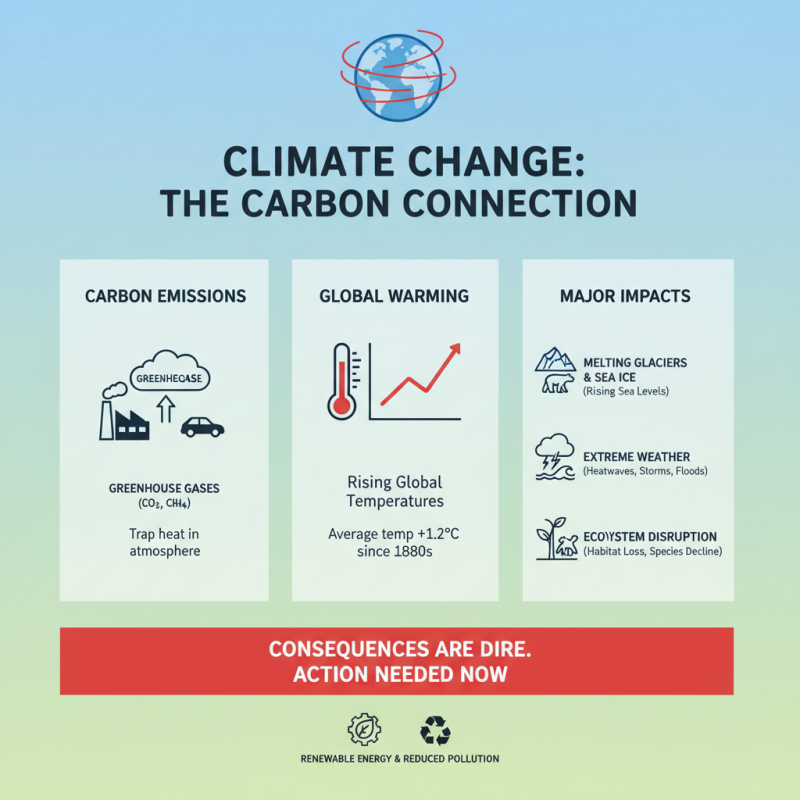
Human activities significantly contribute to increased carbon emissions. Transportation, industry, and energy production are major culprits. Reducing carbon emissions can mitigate global warming and its impacts. Many believe that actions taken today will determine future generations' quality of life. However, the challenge lies in our commitment to this cause.
Consumers often prioritize convenience over sustainability. Industries also face pressure to maintain profitability. Thus, progress in reducing carbon emissions can be slow and inconsistent. It is vital to reflect on our choices and their implications. Shifting towards sustainable practices is not only essential but urgent. Every reduction counts in our fight against climate change.

The Importance of Carbon Emissions Reduction for Environmental Health
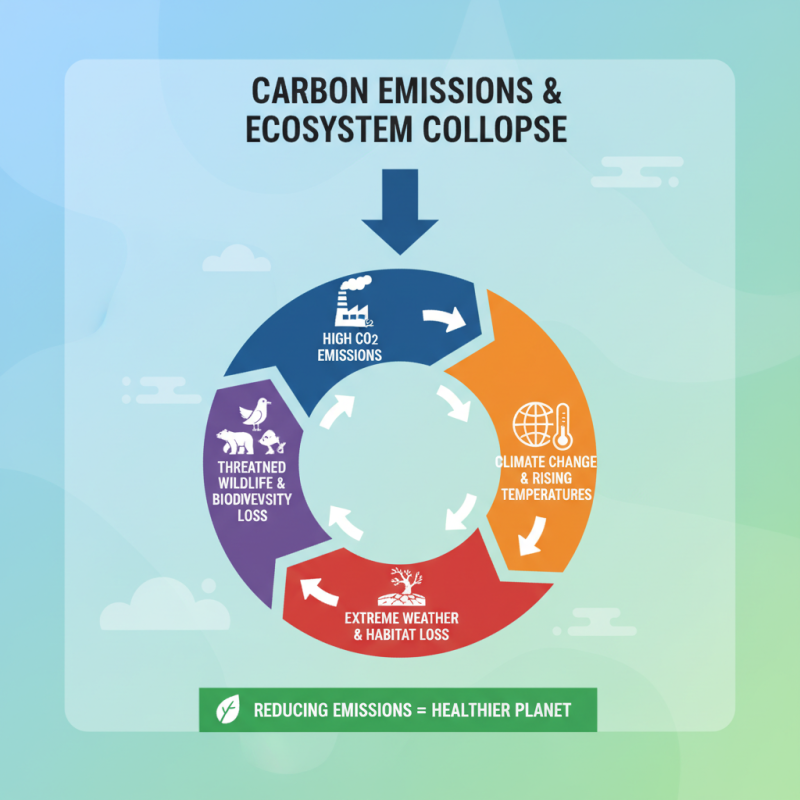
Reducing carbon emissions is vital for environmental health. High levels of carbon dioxide contribute to climate change. This change leads to extreme weather patterns. It disrupts ecosystems and threatens wildlife. Increased temperatures result in habitat loss. As temperatures rise, species struggle to adapt. These changes have a ripple effect on biodiversity.
Air quality also suffers due to carbon emissions. Poor air quality impacts human health directly. Respiratory issues increase when pollution levels rise. Vulnerable populations, such as children, are at greater risk. Urban areas often face smog issues. Improvements in air quality can enhance community health.
We often overlook small actions that contribute to carbon emissions. Daily commuting, waste production, and energy consumption matter. Reflection on our habits is crucial. Simple changes, like walking or cycling, can reduce carbon footprints significantly. It’s important to rethink consumption patterns. Every effort, no matter how small, contributes to a healthier planet.
Economic Benefits of Transitioning to Low-Carbon Technologies
Transitioning to low-carbon technologies has undeniable economic benefits. Renewable energy sources like solar and wind power are becoming cheaper. Countries investing in these technologies often see job growth. These jobs range from manufacturing to installation, creating diverse opportunities in local communities.
However, the shift isn't without challenges. Some industries may suffer job losses as they adapt. Workers in fossil fuel sectors may face uncertainty. This transition requires careful planning and support for those affected. Investing in retraining programs can help bridge the gap. Governments need to address these issues proactively, ensuring no one is left behind.
The long-term economic gains outweigh these short-term difficulties. Clean technologies can increase energy independence for nations. They reduce vulnerability to volatile fossil fuel markets. Furthermore, healthier environments lead to lower healthcare costs. These benefits create a virtuous cycle of growth and sustainability. Moving forward, it’s crucial to unite efforts across sectors and communities to embrace this change.
Economic Benefits of Transitioning to Low-Carbon Technologies
Social Implications of High Carbon Emissions on Public Health
High carbon emissions pose severe risks to public health.
Pollutants from vehicles and industrial processes contaminate the air we breathe.
Cities struggle with smog, leading to respiratory diseases.
Children and the elderly are particularly vulnerable to these effects.
Hospitals often see an increase in asthma cases during high pollution days.
Poor air quality exacerbates existing health conditions, putting additional strain on healthcare systems.
Moreover, communities with high carbon footprints bear a heavy burden.
Access to clean air and safe environments becomes a privilege, not a right.
Low-income neighborhoods frequently face higher pollution levels.
The social implications are profound, creating disparities in health outcomes.
Mental health is also affected, with rising anxiety due to environmental changes.
People feel helpless as they witness the degradation of their surroundings.
We must reflect on these realities.
Reducing carbon emissions is not just about climate change; it directly impacts our health.
A more sustainable future depends on our actions today.
We can no longer ignore the intricate link between emissions and public health.
Addressing this issue requires collaboration and commitment from everyone.
Strategies for Effective Carbon Emission Reduction in Various Sectors
Reducing carbon emissions is essential for a sustainable future. Various sectors must adopt strategies to address this challenge. The energy sector is a primary focus. According to the International Energy Agency, this sector contributes around 70% of global CO2 emissions. Promoting renewable energy sources like solar and wind can drastically lower these figures. Shifting to electric vehicles and improving energy efficiency in buildings also play a significant role.
Agriculture is another critical area. It accounts for about 25% of greenhouse gas emissions. Implementing practices like regenerative farming can improve soil health. This may also enhance carbon sequestration. Furthermore, optimizing livestock management can reduce methane emissions, which are 25 times more potent than CO2 over a 100-year period.
Tips:
1. Transition to energy-efficient appliances in your home. Small changes make a difference.
2. Consider a plant-based diet. Even reducing meat consumption can lower your carbon footprint.
3. Engage in community programs focused on sustainability. Collective efforts amplify impact.
While many strategies exist, the challenge remains to implement these effectively. Inconsistent policies and lack of awareness hinder progress. Addressing these issues is vital for achieving long-term sustainability.
Why Reducing Carbon Emissions is Crucial for a Sustainable Future? - Strategies for Effective Carbon Emission Reduction in Various Sectors
| Sector |
Current Carbon Emissions (in million tons CO2) |
Reduction Target (% by 2030) |
Effective Strategies |
| Transportation |
1720 |
30% |
Electrification, Improved Public Transport, Carpooling |
| Energy Production |
2500 |
50% |
Renewable Energy, Energy Efficiency, Carbon Capture |
| Industrial |
1300 |
20% |
Process Optimization, Waste Heat Recovery, Cleaner Technologies |
| Agriculture |
800 |
25% |
Sustainable Farming, Agroforestry, Reduced Fertilizer Use |
| Residential |
600 |
15% |
Energy Efficiency, Smart Home Technologies, Renewable Heat |
 Skip to content