Top Strategies for Carbon Reduction in Everyday Life?
In the pursuit of carbon reduction, everyday actions play a crucial role. Experts like Dr. Emily Chen, an environmental scientist, emphasize, "Small changes can lead to significant impacts." Her words remind us that individual efforts matter.
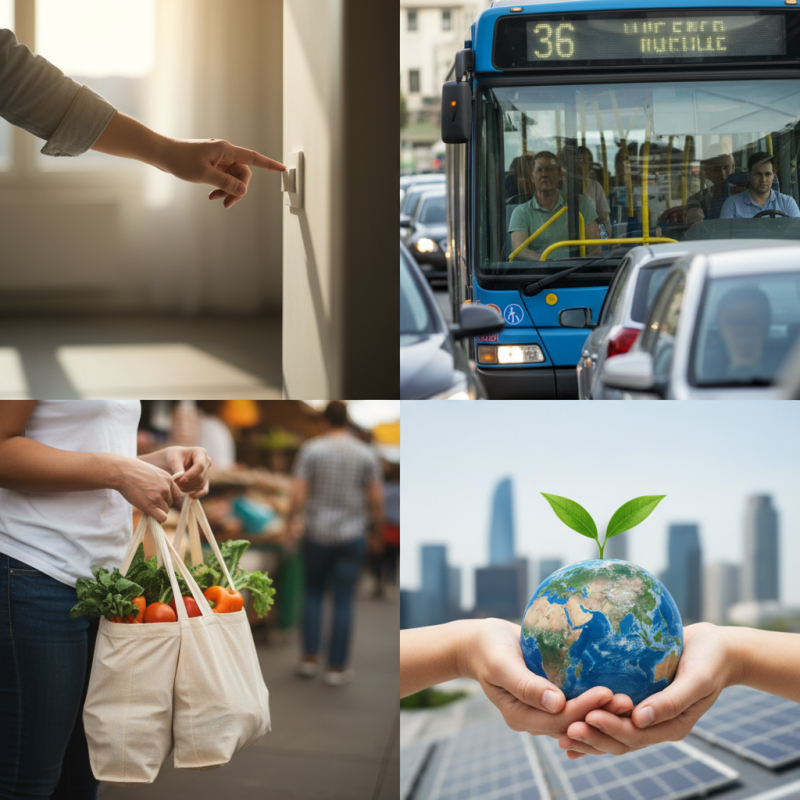
The journey towards carbon reduction begins at home. Simple steps can make a difference. Switching off lights when leaving a room is one example. Yet, many still forget this easy task. Using public transport instead of driving is another vital move. Still, how often do we choose the convenience of our cars over the environment?
Grocery shopping offers another opportunity. Bringing reusable bags should be standard practice. However, disposable bags still fill our homes. It’s essential to reflect on our habits. Carbon reduction isn’t just a goal; it’s a responsibility we all share. The choices we make daily shape our planet’s future.
Daily Habits to Cut Down on Carbon Footprint
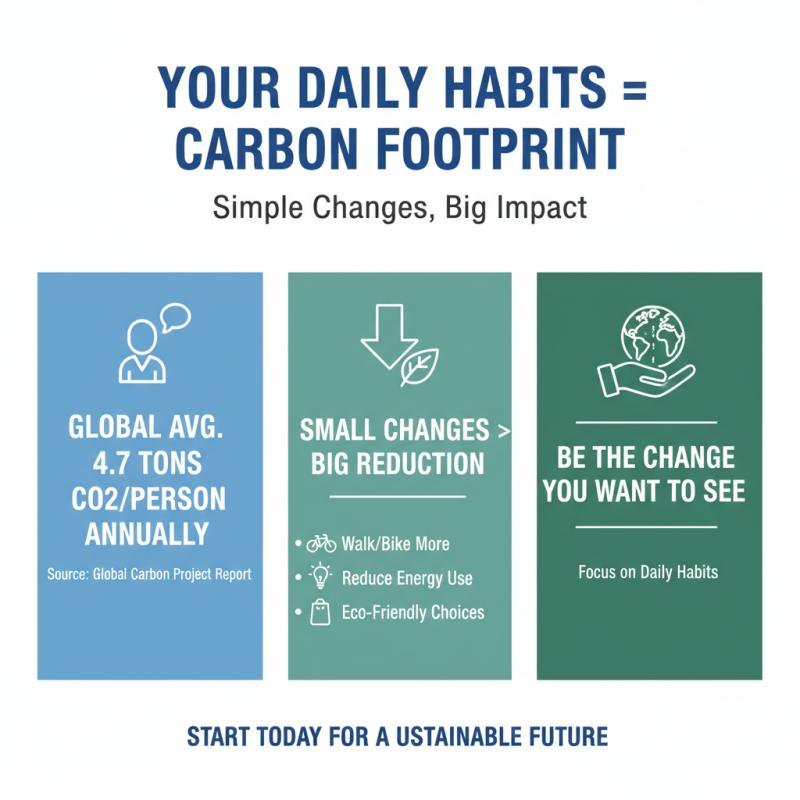
Everyday habits significantly impact our carbon footprint. Simple changes can lead to substantial reductions. A report by the Global Carbon Project indicates that average global carbon emissions per person are around 4.7 metric tons annually. Focusing on daily habits is essential.
Consider your commuting habits. Opting for walking, biking, or using public transport reduces emissions. For example, driving a gasoline car emits about 404 grams of CO2 per mile. Imagine cutting down that daily driving. A more sustainable commute can lower your yearly carbon output.
**Tip:** Start with short distances. Walk or bike when possible. It’s healthier and cleaner.
Another area to tackle is energy use at home. The U.S. Energy Information Administration shows that residential energy consumption accounted for 21% of total U.S. energy use. Small changes, like using LED bulbs, can help. They use 75% less energy than traditional bulbs.
**Tip:** Unplug electronics when not in use. This simple act can save power and reduce your carbon footprint.
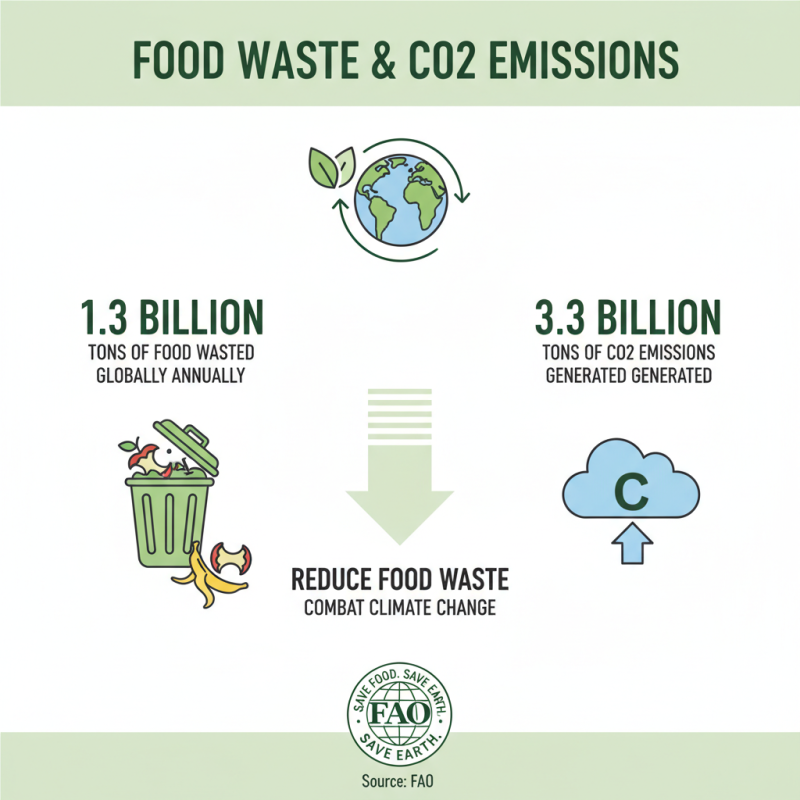
Finally, reconsider food choices. The Food and Agriculture Organization states that livestock accounts for 14.5% of global greenhouse gas emissions. Reducing meat consumption or sourcing locally can have a meaningful impact.
**Tip:** Try a meatless day each week. It’s a small step but can lead to big changes.
Sustainable Transportation Choices for a Greener Commute
Sustainable transportation choices can significantly reduce carbon emissions. Biking is a great way to stay fit and lower your carbon footprint. It’s simple: hop on your bike for errands or commutes. Even a short ride can make a difference. Walking is another excellent option. It requires no special equipment and is great for your health. Yet, many people often overlook it in favor of driving.
Public transportation is an important part of greener commuting. Buses and trains can carry many passengers at once, reducing the number of vehicles on the road. However, it’s not always easy to rely on these options, especially with limited services in some areas. Carpooling is another strategy that can help reduce the number of cars on the road. But finding people to share rides with can be challenging.
Electric scooters and shared bikes are increasingly popular in urban areas. They offer flexibility and are good for the environment. Still, not everyone may feel comfortable using them. Safety concerns or lack of infrastructure can be significant barriers. Embracing these sustainable choices requires a mindset shift that many struggle with. The path to greener transportation is not always clear, but small changes can lead to bigger impacts.
Energy Efficiency Tips for Your Home and Appliances
Making your home more energy-efficient can significantly reduce carbon emissions. According to the U.S. Department of Energy, appliances account for nearly 20% of a home's energy use. By using energy-efficient appliances, you can save money and lower your carbon footprint. Simple swaps like changing to LED light bulbs can cut energy use by up to 75%.
Insulating your home is another critical yet sometimes overlooked strategy. Many homes have poor insulation, leading to heat loss. An estimated 30% of heating energy can escape through uninsulated walls and roofs. Adding insulation not only keeps your home comfortable but also saves energy. It’s a practical solution that requires an upfront cost but pays off in the long run.
Moreover, small habits can make a big difference. Unplugging devices when they are not in use can save energy, but many forget this step. The Energy Information Administration suggests that standby power use can contribute 5% to 10% of residential energy consumption. Reflecting on these common practices can lead to meaningful changes. Every bit counts in our fight against climate change.
Top Strategies for Carbon Reduction in Everyday Life
This chart illustrates the effectiveness of different strategies for reducing carbon emissions in everyday life, based on estimates of their annual carbon reduction potential in kilograms.
Mindful Consumption: Reducing Waste and Supporting Eco-Friendly Brands
Mindful consumption starts with awareness. Evaluate your purchases critically. Ask yourself: Do I really need this? Embracing a minimalist mindset can help. Reducing clutter is not just good for your home; it decreases demand for new products. Less demand means less waste and fewer resources used.
Supporting eco-friendly brands is essential, but it requires scrutiny. Research their practices. Are they truly committed to sustainability? Not all brands with green labels are genuine. Buying from local artisans can make a difference too. They often use less packaging and source materials responsibly.
It’s also vital to reflect on our habits. We often forget: our choices matter. Buying in bulk can save money and reduce waste. However, be careful about perishables—too much can lead to food waste. Every small change adds up. Let’s think, grow, and change our consumption patterns together.
Top Strategies for Carbon Reduction in Everyday Life
| Strategy |
Description |
Impact on Carbon Reduction (%) |
Frequency of Implementation |
| Mindful Shopping |
Choosing eco-friendly products and brands. |
15% |
Weekly |
| Reducing Plastic Use |
Avoiding single-use plastics by using reusable bags and containers. |
30% |
Daily |
| Composting |
Turning organic waste into compost instead of sending it to landfills. |
10% |
Weekly |
| Energy Efficiency |
Using energy-efficient appliances and light bulbs. |
25% |
Monthly |
| Local Sourcing |
Buying locally produced goods to reduce transportation emissions. |
20% |
Bi-weekly |
 Skip to content