Top 10 Ways to Reduce Carbon Emissions for Global Buyers?

Global buyers are under growing pressure to reduce emissions without weakening quality, delivery, or supplier relationships. Climate targets now influence sourcing decisions, product design, logistics, and contract reviews. Yet carbon reduction is not achieved by choosing a “green” label alone. It requires evidence, consistent measurement, and practical cooperation across the supply chain.

This guide explores ten ways to reduce carbon emissions in international purchasing. It considers supplier screening, renewable energy, low-carbon materials, efficient packaging, shipment consolidation, and cleaner transport options. Buyers can begin with purchase records, energy data, freight documents, and product-level emission estimates. Small details matter. A lighter carton, a fuller container, or a shorter delivery route can reduce avoidable impact.

The analysis follows established practices, including the GHG Protocol and relevant ISO guidance, while recognizing that supplier data is often incomplete. Some figures may rely on industry averages. That weakness deserves attention, not concealment. Buyers should request clear boundaries, calculation methods, reporting periods, and supporting evidence before comparing claims. Independent verification can improve confidence when decisions involve major contracts or public climate commitments.

No single action fits every market. A factory may need renewable electricity, while a buyer may gain more from redesigning packaging or changing delivery schedules. Cost, resilience, product safety, and local regulations must remain part of the decision. Progress may be uneven. Still, measured improvements create a stronger foundation for responsible global sourcing.
Top 10 Ways to Reduce Carbon Emissions for Global Buyers?

Understanding the Carbon Footprint of Global Purchasing

Top 10 Ways to Reduce Carbon Emissions for Global Buyers?
Understanding the Carbon Footprint of Global Purchasing

Global purchasing creates emissions long before products reach a warehouse. Raw material extraction, factory energy, packaging, shipping, storage, and disposal all matter. Buyers should map these stages instead of judging carbon impact by transport distance alone. A heavy product shipped locally may cause more emissions than a lighter product traveling farther. Scope 3 data is often incomplete, so treat supplier estimates as evidence, not absolute truth. Ask for production energy data, material details, shipment weights, and calculation methods.

Tips: Compare suppliers by emissions per usable product, not only unit price. Request verified data where possible. Prefer recycled or lower-impact materials, compact packaging, durable designs, consolidated shipments, and ocean or rail transport when schedules allow. Avoid unnecessary air freight. Keep records for every purchasing cycle.

Small choices add up. Ordering closer to demand can reduce emergency shipments. Accurate forecasting can prevent overproduction and disposal. Reusable pallets and right-sized cartons may also reduce material waste. Buyers can set carbon targets in contracts, but targets should include measurable baselines and review dates. A supplier with a renewable-energy plan may still use carbon-intensive materials. We must check the full picture. I have found that perfect data rarely arrives on the first request. That is normal, but weak assumptions should be documented and improved. Calculations should also reflect regional electricity mixes, because the same factory process can have different emissions in different locations.


Top 10 Ways to Reduce Carbon Emissions for Global Buyers

Understanding the Carbon Footprint of Global Purchasing

Freight emission factors vary by route, vehicle utilization, fuel, and calculation method. These rounded global benchmark values show the approximate transport emissions generated when moving one tonne of goods over one kilometre. Ocean and rail transport generally have much lower carbon intensity than air freight.

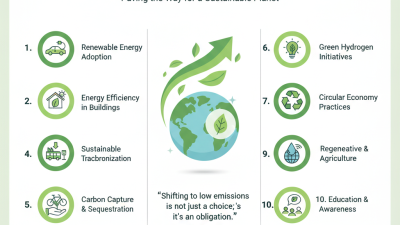
1. Choose lower-carbon transport. Replace air freight with ocean or rail where delivery requirements allow.
2. Consolidate shipments. Combine smaller orders to improve container and vehicle utilization.
3. Reduce expedited orders. Better forecasting can prevent high-emission emergency deliveries.
4. Purchase closer to demand. Regional and nearshore sourcing can shorten transport distances.
5. Improve supplier packaging. Lightweight, compact packaging reduces shipment weight and volume.
6. Increase product durability. Longer product life reduces the need for replacement purchases.
7. Use recycled materials. Recycled inputs often require less energy than virgin material production.
8. Set supplier carbon requirements. Request verified emissions data and reduction targets in procurement contracts.
9. Measure Scope 3 emissions. Track purchased goods, services, and inbound logistics using consistent boundaries.
10. Prefer renewable-powered production. Select suppliers that can document lower-carbon electricity and efficient operations.

Data note: Approximate freight benchmarks in kg CO₂e per tonne-kilometre, rounded from commonly used international GLEC and public government conversion-factor ranges. Actual results depend on route, load factor, fuel, distance, and accounting methodology.

Choosing Lower-Emission Products and Suppliers

Top 10 Ways to Reduce Carbon Emissions for Global Buyers

Choosing lower-emission products starts with asking how they are made, packed, shipped, used, and discarded. A low-carbon supplier should provide product-level evidence, not broad environmental promises. Look for verified carbon footprints, Environmental Product Declarations, and data aligned with the Greenhouse Gas Protocol or ISO 14067.

Ask suppliers about renewable electricity, recycled materials, factory energy use, and production waste. Request details for each facility, not only the company headquarters. Compare similar products by weight, durability, repairability, and expected service life. A slightly heavier item may create fewer emissions if it lasts twice as long.

Transport decisions also matter. Consolidated sea freight usually produces fewer emissions than urgent air shipments. Smaller packaging can reduce both shipping volume and material use. Request shipment data by route and method. Then check whether the figures include raw materials and subcontractors.

Evidence can be incomplete.

Supplier audits, utility records, and batch documents improve reliability. Still, estimates may replace measured data, especially in complex supply chains. Buyers should record these gaps instead of treating uncertain figures as facts. I have found that price pressure can quietly favor higher-emission options. Setting carbon criteria before comparing bids helps prevent that outcome. Recheck supplier data annually, because energy sources, factories, and transport routes can change.

Reducing Emissions in International Transportation

Reducing emissions in international transportation starts before cargo leaves the warehouse. The route, mode, load size, and delivery promise shape the footprint.

The IMO Fourth GHG Study 2020 estimated shipping caused 2.89% of global anthropogenic emissions in 2018. Aviation carries less freight by volume, but creates more emissions per kilogram. The IEA reported that aviation emissions approached 800 million tonnes of CO2 in 2022. Buyers should use airfreight only when timing truly requires it. Sea, rail, or combined transport often performs better.

Request shipment-level emissions data, not broad “green” claims. Ask for fuel type, distance, cargo weight, and calculation method. ISO 14083:2023 provides a consistent approach for measuring transport-chain emissions. Consolidate purchase orders into fuller containers. Avoid half-empty trucks and repeated air shipments. Select direct routes where possible. Lower-carbon fuel options may exist, but availability and accounting vary by corridor. The uncomfortable truth is that slower shipping can reduce emissions, while poor forecasting may trigger emergency airfreight.

Tips: Include carbon in the landed-cost review. Compare kilograms of CO2e per tonne-kilometre, not freight price alone. Set delivery windows, then reserve airfreight for exceptions. Measure monthly and check supplier data. Record empty miles, port delays, and shipment weights. A simple spreadsheet can expose waste quickly. Keep the method consistent. Otherwise, annual progress may look better than it really is.

Improving Packaging, Warehousing, and Order Efficiency

Reducing carbon emissions often begins with the packaging around each order. Global buyers can replace oversized cartons with right-sized boxes and recycled paper cushioning. A package with less empty space needs fewer materials and often travels more efficiently. Measure it.

Standard package sizes also help packing teams work faster. However, one box size cannot suit every product. Fragile goods may need stronger protection, while compact items need less padding. Damaged shipments create extra emissions through replacements, returns, and disposal. A small packaging review can reveal these hidden costs.

Warehouses can reduce emissions by storing popular products near packing stations. Shorter walking and forklift routes save time and energy. Clear shelf labels also reduce picking mistakes. Order consolidation is useful when delivery speed allows it. Combining several items into one shipment can reduce carton use and transport movements. Yet consolidation is not always better. Holding an urgent order for several days may increase customer dissatisfaction or require faster transport later. Track packaging weight, shipment frequency, return rates, and warehouse travel distances each month. Use real order data, not assumptions. Early improvement plans may overlook staff habits, seasonal demand, or limited storage space. Regular reviews make the process more practical and credible.

Top 10 Ways to Reduce Carbon Emissions for Global Buyers? - Improving Packaging, Warehousing, and Order Efficiency

No. Emission-Reduction Method Primary Area Recommended Buyer Action Practical Target Main KPI Measurement Basis
1 Right-size secondary packaging Packaging and transport Specify packaging dimensions that closely match product dimensions and eliminate unnecessary void space. 10–30% less packaging material Packaging weight per order Compare approved packaging weight and package volume before and after redesign.
2 Increase recycled and recyclable content Packaging materials Use verified recycled paperboard, molded fiber, or mono-material packaging where local recycling systems can process it. 100% recyclable design where feasible Recycled content percentage Document material composition, recycled content, certificates, and end-of-life route.
3 Consolidate purchase orders Order management Combine compatible releases by supplier, destination, and delivery window instead of requesting frequent small shipments. 10–25% fewer shipments Orders per shipment Measure shipment count, order lines, weight, and transport emissions per delivered unit.
4 Improve container and vehicle utilization Freight transport Set minimum load thresholds and use carton, pallet, and container optimization before dispatch. 85%+ cubic utilization Load factor (%) Calculate occupied volume or weight divided by available shipment capacity.
5 Use lower-carbon transport modes International logistics Plan ocean or rail for predictable replenishment and reserve air freight for urgent, high-value exceptions. Replace avoidable air freight CO₂e per tonne-kilometre Apply recognized freight-emission factors to actual distance, weight, mode, and load data.
6 Reduce warehouse energy consumption Warehousing Install LED lighting, occupancy controls, efficient HVAC, insulation, and energy monitoring by warehouse zone. 15–30% lower energy use kWh per square metre Compare normalized electricity and fuel consumption against warehouse area and operating hours.
7 Source materials closer to the destination Procurement and supply chain Evaluate qualified regional suppliers when quality, capacity, compliance, and total landed cost remain acceptable. Shorter average inbound distance Inbound kilometres per unit Track supplier location, shipment distance, transport mode, shipment weight, and delivery frequency.
8 Improve demand forecasting and safety-stock control Inventory planning Use historical demand, seasonality, lead-time variability, and service-level targets to reduce overproduction and obsolete inventory. Lower obsolete inventory Obsolescence rate (%) Measure discarded, discounted, or returned stock as a percentage of purchased units or value.
9 Reduce returns and re-shipments Order fulfillment Improve product specifications, quality checks, labeling, address validation, and delivery communication. Fewer repeat deliveries Return and re-shipment rate Record the reason, transport distance, packaging impact, and disposition of every return.
10 Measure product and logistics emissions consistently Carbon management Collect activity data for materials, energy, freight, warehousing, waste, and returns using one consistent calculation method. 100% of priority orders measured kg CO₂e per delivered unit Use the GHG Protocol, ISO 14067, and recognized transport-emission factors with documented assumptions.
Data note: Practical targets are planning benchmarks rather than guaranteed savings. Actual carbon reductions depend on product composition, shipment distance, transport mode, warehouse conditions, energy mix, order profile, and local recycling infrastructure. Emissions should be reported in kg CO₂e using consistent activity data and documented emission factors.

Measuring Progress and Building Long-Term Carbon Strategies

Top 10 Ways to Reduce Carbon Emissions for Global Buyers

Measuring Progress and Building Long-Term Carbon Strategies

Global buyers need more than annual carbon promises. They need measurable purchasing decisions. The International Energy Agency reported 37.8 billion tonnes of energy-related CO2 emissions in 2024. That record makes procurement data increasingly important. Buyers can reduce emissions through renewable electricity, lower-carbon materials, efficient packaging, consolidated shipping, and longer product lifecycles. Supplier audits, verified emissions factors, and repair requirements add practical control. Small changes matter.

CDP’s 2024 Supply Chain Report estimated that supply-chain emissions average 11.4 times a company’s operational emissions. This gap often hides inside purchased goods and services. Buyers should request Scope 1, Scope 2, and relevant Scope 3 data from suppliers. They should also record calculation methods, production volumes, transport distances, and reporting years. A dashboard can track emissions per unit, supplier coverage, recycled content, and freight intensity. Absolute emissions still matter. Intensity alone can look better while total pollution rises.

The baseline may be imperfect. That is normal, but it must be documented. A missing supplier dataset should not become a convenient zero. Use conservative estimates, then replace them with primary evidence. Set annual targets, review contracts, and link supplier development to verified progress. The Greenhouse Gas Protocol recommends consistent boundaries and transparent Scope 3 accounting. Buyers can test ten reduction measures, but not all will work equally across regions. Long-term strategies need patience, independent assurance, and honest revisions when the numbers disagree.