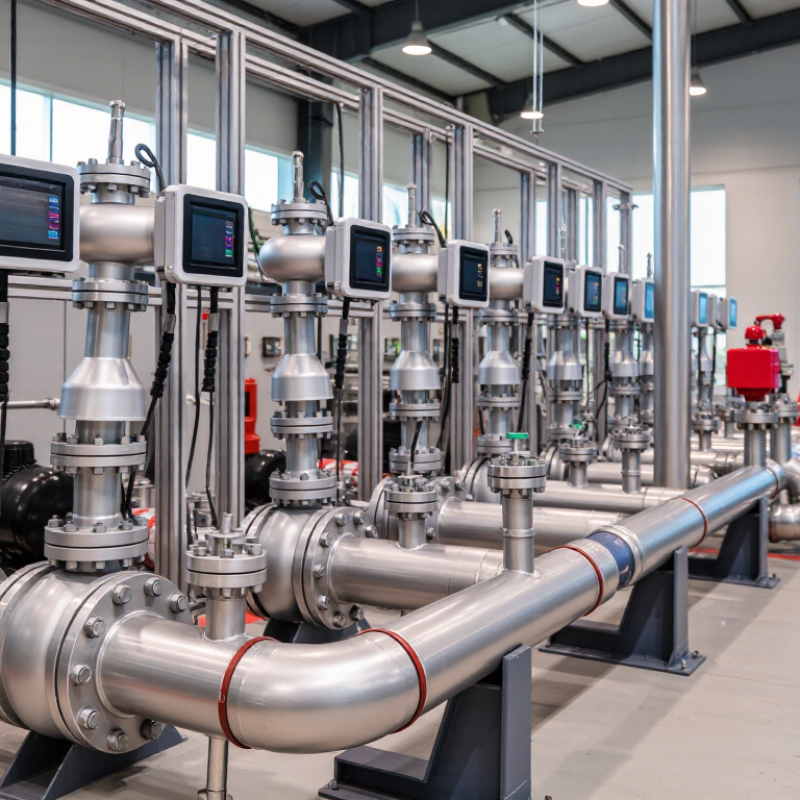
China Best Fugitive Emissions Control Products for Buyers?

China Best Fugitive Emissions Control Products for Buyers? This question requires more than comparing prices or catalog photographs. Buyers need reliable equipment that limits fugitive emissions from valves, pumps, flanges, compressors, and storage connections. A suitable product should support safer operations, cleaner workplaces, and measurable environmental performance.

This guide examines practical product categories available from Chinese manufacturers. It considers valve packing, mechanical seals, gasket systems, leak detection equipment, and monitoring technologies. It also explains how material selection affects performance in high temperatures, corrosive services, and frequent cycling. Stainless steel construction may suit demanding applications, while graphite, PTFE, or engineered elastomers can fit different operating conditions. Details matter. Evidence matters more.

Experienced buyers should request test reports, material certificates, pressure ratings, inspection records, and clear warranty terms. Factory audits can reveal production consistency, calibration practices, and quality-control gaps. Sample testing is valuable before large orders. A product that looks excellent may perform poorly after installation. That possibility deserves attention.

Compliance requirements vary by industry and location. Buyers should confirm applicable emissions standards, safety rules, and documentation requirements with qualified engineers or local authorities. This article does not treat one supplier as universally best. Product quality can vary between factories, batches, and application conditions. Some recommendations may require revision after field data becomes available.

The goal is practical decision-making. Compare verified performance, lifecycle cost, service support, and supplier transparency. Strong sourcing choices protect equipment, workers, and surrounding communities. Reliable evidence should guide every purchase.

China Best Fugitive Emissions Control Products for Buyers?

What Fugitive Emissions Control Products Are and Why They Matter

Fugitive emissions control products are designed to stop unintended gas or vapor releases from industrial equipment. Common examples include low-emission valves, engineered gaskets, mechanical seals, packing systems, connectors, and leak-detection instruments.

These products matter because small leaks can become significant across thousands of components. The International Energy Agency’s Global Methane Tracker 2024 estimated that fossil fuel operations released about 120 million tonnes of methane in 2023. It also reported that around 75% of industry-related methane emissions could be reduced with existing measures. That figure makes routine inspection and suitable sealing products more than a maintenance detail.

A practical plant walkdown should examine valve stems, flange faces, pump seals, and instrument connections. Visible staining, odor, vibration, or temperature changes may indicate a developing leak. Buyers should review material compatibility, pressure ratings, temperature limits, test methods, and maintenance records. ISO 15848-1 and related industry testing practices can support more reliable comparisons. Yet no catalog item solves every leak. Poor installation can defeat an excellent seal. A spreadsheet may look precise; field conditions often disagree. For Chinese suppliers, clear test reports, traceable materials, batch records, and responsive technical support are useful buying signals. The strongest choice is not always the cheapest product. It is the product that remains dependable after repeated thermal cycles, vibration, and maintenance work.

Key Product Categories Manufactured in China

China Best Fugitive Emissions Control Products for Buyers?

China manufactures a broad range of fugitive emissions control products for refineries, chemical plants, power stations, and gas facilities. Key categories include low-emission valves, packing sets, spiral-wound gaskets, mechanical seals, bellows seals, pump components, and LDAR detection instruments. Many suppliers also produce actuators, sampling accessories, and custom sealing kits for difficult temperatures or pressures.

The need is measurable. The International Energy Agency’s Global Methane Tracker 2024 estimated that fossil fuel operations released about 120 million tonnes of methane in 2023. The United Nations Environment Programme reports that available measures could reduce human-caused methane emissions by 45% this decade. Therefore, buyers should assess both product quality and inspection capability. Look for material certificates, pressure-test records, helium or hydrostatic testing, and documented compliance with ISO 15848-1, API 624, or API 641, where applicable. A catalog alone is not proof. That lesson is easy to miss.

Tips: Match the seal material with process chemicals, temperature, and pressure. Request batch traceability and recent test reports. For LDAR tools, check detection limits, calibration intervals, and field service support. Independent verification is valuable. Chinese factories can offer competitive customization, but drawings must define tolerances clearly. Small gaps in specifications often become large maintenance costs.

Materials, Standards, and Performance Requirements

China’s best fugitive emissions control products should be judged by materials, test evidence, and service conditions—not price alone. The IEA Global Methane Tracker 2024 estimates that fossil fuel operations released about 120 million tonnes of methane in 2023. This makes reliable sealing a practical climate and maintenance priority.

Material selection begins with the process fluid. Flexible graphite suits high temperatures and many hydrocarbon services. PTFE offers strong chemical resistance, but temperature limits require careful review. Aramid-reinforced packing can improve abrasion resistance around valve stems. Metallic bellows may reduce stem leakage in demanding applications, although installation quality remains critical. Ask for batch traceability, temperature ratings, pressure limits, and compatibility data. Small details matter.

Use recognized test frameworks. ISO 15848-1 evaluates industrial valve fugitive emissions through leakage classes, temperature conditions, and mechanical cycles. API 622 addresses valve packing performance, while API 624 and API 641 evaluate assembled valves. These standards help compare suppliers, but they do not replace site-specific engineering. Specify methane or helium testing where appropriate, not vague “zero leakage” claims. Require test reports with measured values, cycle counts, calibration records, and laboratory qualifications. In field inspections, poor gland adjustment can undermine excellent packing. This is often overlooked. A realistic procurement review should also consider maintenance access, spare-part consistency, and performance after thermal cycling. No product remains perfect under every pressure, temperature, and operator practice.

How to Evaluate Chinese Suppliers and Product Quality

When sourcing fugitive emissions control products from China, evaluate evidence rather than catalog claims. The IEA’s Global Methane Tracker 2024 estimates that around 75% of fossil-fuel methane emissions could be reduced with existing measures. That makes valve packing, gaskets, seals, and sampling systems important purchasing decisions. Ask suppliers for ISO 15848 test results, API 622 or API 624 reports, material certificates, and complete test conditions. Check temperature, pressure, cycles, medium, and measured leakage rates.

A reliable supplier should provide batch traceability from raw material to final inspection. During an audit, inspect graphite density records, metal grades, machining areas, calibration labels, and rejected-product storage. Request samples from normal production, not specially prepared pieces. Send them to an independent laboratory when the application is critical. A clean certificate is useful, but the test method matters more. Some documents look complete while omitting cycle counts or instrument accuracy.

Look closely.

UNEP’s Global Methane Assessment reports that human-caused methane emissions could fall by about 45% this decade using available measures. Therefore, suppliers should explain installation limits, maintenance intervals, and field failure data. Ask for three recent project references with similar pressure and temperature conditions. I would also compare sealing performance after thermal cycling, not only during factory inspection. My own evaluation would include a small pilot order, because supplier communication can weaken after a large contract. No audit removes every risk. That uncomfortable gap deserves attention.

China Best Fugitive Emissions Control Products for Buyers? - How to Evaluate Chinese Suppliers and Product Quality
Evaluation Dimension Product or Supplier Data to Review Recognized Technical Reference Quality Indicators and Buyer Benchmarks Verification Method Risk Level
Emission Testing Test reports for valves, pumps, flanges, mechanical seals, sampling systems, and other potential emission sources. ISO 15848-1 for industrial valves and type testing; API 624 for rising-stem valves; API 641 for quarter-turn valves. Preferred: The report identifies the tested product configuration, test medium, temperature, pressure, cycle count, leakage class, and acceptance result. Request the complete report rather than a certificate-only summary. Confirm that the tested stem, packing, gasket, seal, and body materials match the quotation. Medium
Leakage Rating Valve seat leakage, external stem leakage, body leakage, and allowable leakage under the intended operating conditions. ISO 5208 and EN 12266-1 for industrial valve pressure testing; applicable fugitive-emission standards for external leakage. Preferred: The supplier states the leakage class and test conditions clearly. Do not treat a pressure-shell test as proof of fugitive-emission performance. Compare the purchase specification with the test certificate and inspect whether the leakage measurement method and detection sensitivity are stated. High
Packing and Seal Design Packing type, number of packing rings, live-loading arrangement, secondary seals, gasket construction, and seal material compatibility. Supplier engineering drawings, material certificates, and project-specific sealing specifications. Preferred: The selected seal system is compatible with process temperature, pressure, fluid composition, corrosion conditions, and shaft or stem movement. Review drawings and material certificates. Request compatibility data for toxic, flammable, corrosive, vacuum, or high-temperature media. High
Material Traceability Body, bonnet, stem, disc, ball, seat, packing, gasket, bellows, and fastener material grades. Purchase specification, material test certificates, heat numbers, chemical composition, mechanical properties, and corrosion-control requirements. Preferred: Critical pressure-retaining and sealing parts are traceable from raw material through final inspection. Match heat numbers on certificates with markings, inspection records, and packing lists. Use independent material identification when the service is safety-critical. Medium
Pressure and Temperature Design pressure, working pressure, design temperature, operating temperature range, pressure class, and thermal cycling capability. Applicable piping, valve, pressure-equipment, and project design codes specified in the purchase documents. Preferred: The pressure-temperature rating covers normal operation, start-up, shutdown, pressure surges, and the maximum allowable temperature of the seal system. Check pressure-temperature charts, design calculations, hydrostatic and pneumatic test records, and the actual process conditions. High
Actuator and Cycling Actuator type, torque or thrust margin, cycle frequency, fail position, stem load, travel adjustment, and position feedback. Project control philosophy, valve sizing calculations, actuator datasheets, and applicable functional safety requirements. Preferred: The actuator operates the valve without excessive stem load, packing extrusion, seal damage, or incomplete seating. Review torque or thrust calculations and perform factory acceptance testing across the specified pressure range and cycle sequence. Medium
Bellows-Sealed Design Bellows material, formed or welded construction, design cycles, pressure rating, secondary packing, and bellows failure indication. Supplier bellows design documentation and the applicable valve or pressure-equipment requirements in the project specification. Preferred: The supplier provides cycle-life evidence and explains how the valve remains contained if the primary bellows loses integrity. Request bellows drawings, weld inspection records, pressure tests, cycle tests, and a defined maintenance or replacement procedure. High
Detection and LDAR Support Leak-detection procedure, instrument type, calibration records, detection limit, sampling points, response time, and repair workflow. EPA Method 21 is commonly used for instrument-based volatile-organic-compound leak screening; local regulations may impose additional requirements. Preferred: The supplier provides accessible monitoring points and documentation that supports plant leak-detection-and-repair programs. Confirm the monitoring method, calibration frequency, sampling approach, and reporting format with the end user's environmental team. Medium
Factory Quality System Quality manual, inspection and test plan, nonconformance process, calibration system, welding controls, and subcontractor management. ISO 9001 certification may support quality-system evaluation, but it does not by itself prove product fugitive-emission performance. Preferred: The factory uses documented inspection hold points and retains production and test records for the required retention period. Audit the manufacturing site or appoint an independent inspector for document review, process witnessing, and random product inspection. Medium
Inspection and Testing Dimensional inspection, visual inspection, pressure testing, functional testing, fugitive-emission testing, coating inspection, and final documentation. Approved inspection and test plan, purchase specification, applicable valve standards, and project-specific acceptance criteria. Preferred: Tests are linked to serial numbers or heat numbers, with clear acceptance criteria and signed records. Define witness, hold, and review points before production. Require photographs and test records for critical components. Medium
Application Suitability Fluid composition, toxicity, flammability, particulate content, corrosiveness, pressure, temperature, cycling, and installation orientation. Process design basis, piping and instrumentation diagrams, safety data sheets, and plant equipment specifications. Preferred: Product selection is based on actual service conditions rather than nominal size, pressure class, or a generic catalogue description. Submit a complete service datasheet and obtain a written application review from the supplier's engineering team. High
Documentation Package Datasheets, drawings, certificates, test reports, spare-parts lists, installation instructions, maintenance manuals, and warranty terms. Project document register and purchaser's quality requirements. Preferred: Documents are consistent in model description, materials, pressure class, size, serial number, and revision status. Review a sample document package before placing the order and include document approval as a contractual milestone. Medium
After-Sales Capability Spare-parts availability, repair instructions, technical response time, field service coverage, training, and warranty exclusions. Contract terms, maintenance strategy, recommended spare-parts list, and site-support plan. Preferred: Critical seals, packing sets, gaskets, actuators, and repair components have defined lead times and replacement procedures. Request service references for comparable applications and include response-time commitments in the purchase contract. Medium
Commercial Risk Control Quotation scope, Incoterms, payment schedule, inspection rights, change-control process, delivery schedule, and warranty remedies. Purchase contract, approved technical offer, quality plan, and commercial terms. Preferred: Technical requirements, approved deviations, inspection rights, and remedies for failed tests are written into the contract. Compare the final purchase order with the approved quotation and technical clarification record before manufacturing begins. Medium
Buyer scoring suggestion: Give the highest weighting to application suitability, external leakage performance, sealing-system design, material traceability, and independent inspection. A quality-system certificate or catalogue statement should be treated as supporting evidence, not as a substitute for product-specific test data.

Purchasing, Inspection, Installation, and Maintenance Considerations

China Best Fugitive Emissions Control Products for Buyers?

Purchasing, Inspection, Installation, and Maintenance Considerations

Selecting fugitive emissions control products from China requires more than comparing prices. Start with the process medium, temperature, pressure, valve type, and expected service cycles. Ask suppliers for material certificates, test records, dimensional drawings, and traceable inspection data. Products should match applicable industry standards and your site’s safety requirements.

During inspection, check sealing surfaces, fastener quality, coating condition, and package labels. Measure critical dimensions before installation, especially for gaskets and packing sets. In my experience, small dimensional errors can cause early leakage. Installation teams should clean contact surfaces and follow controlled tightening patterns. Uneven compression is common, but often overlooked. Record torque values and inspection results for future maintenance.

Tips: Keep one approved sample for comparison. Photograph each inspection stage. Store seals in a dry, shaded area. During operation, monitor leakage trends rather than waiting for visible failure. Recheck bolting after thermal cycling when procedures permit. Maintenance planning should consider vibration, pressure changes, corrosion, and frequent valve movement. Supplier documentation may look complete, yet field performance can differ. This is why trial installation and measured feedback remain valuable.